


People may forget parts of a presentation, but they usually remember how an event made them feel. The environment, comfort, and overall tone of an event tend to stay in people’s memories a lot longer than the timetable.
All over Japan, companies now focus on a more meaningful event experience rather than just having a sophisticated gathering. The venue plays a big part in that shift. From arrival to networking sessions, every detail affects how guests respond to the event.
In this blog, we will look at how venue design, location, hospitality, and event support determine guest experiences for business events in Yokohama.
The Role of Venue Experience in Modern Business Events
A successful event is not only about presentations or schedules. Guests notice the environment around them from the moment they arrive, and those details often shape how they remember the event long after it ends.
First Impressions Start Before the Event Begins
Guests usually form opinions before the event officially starts. The building entrance, the surrounding area, and even the ease of finding the venue all affect their mood. A stressful arrival can leave people feeling distracted before they even sit down.
Business events often bring together clients, executives, and industry professionals. Many attendees already have expectations before they arrive. They may expect organised reception services, clear directions, and a polished setting.
When the venue feels professional from the beginning, guests relax faster and become more open to conversations. The reception experience also matters more than people think. Friendly staff, smooth check-ins, and organised waiting areas create a calm atmosphere.
Location Influences Guest Perception
The location of an event affects both convenience and perception. People often connect the venue’s surroundings with the quality of the event itself.
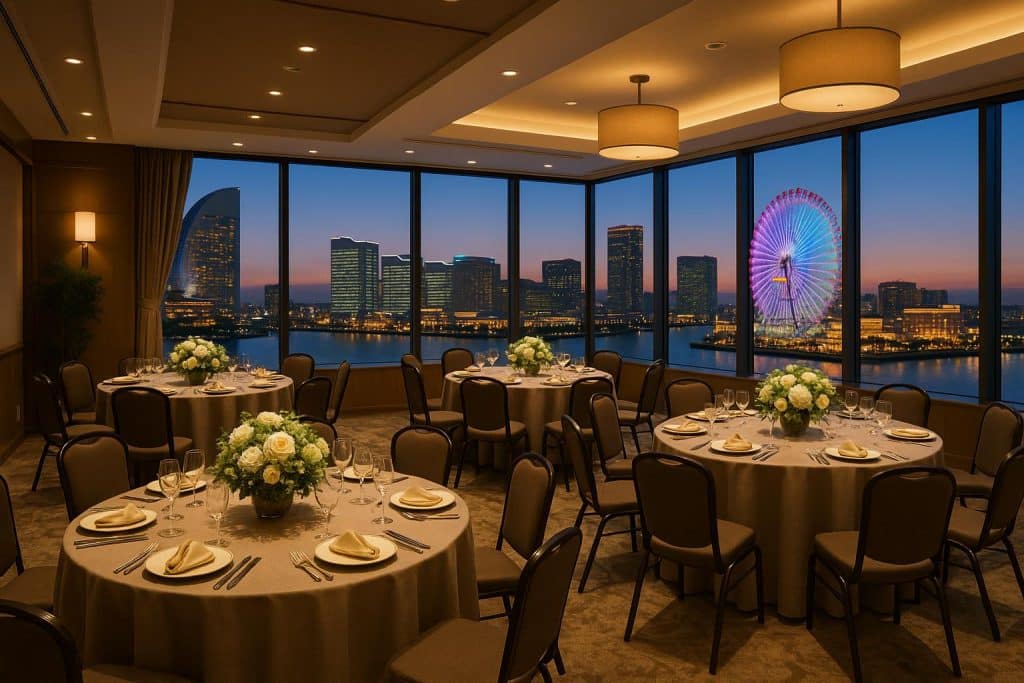
Choosing an event venue in Yokohama gives businesses access to a city known for both professionalism and modern city life. Yokohama combines business spaces, waterfront views, hotels, restaurants, and transport access in a way that supports corporate gatherings naturally.
Guests appreciate convenience. A centrally located venue makes travel easier for local attendees and international visitors. Easy train access, nearby accommodation, and dining options improve the overall experience because guests spend less time worrying about logistics.
Comfortable Spaces Encourage Better Interaction
Guests engage more when they feel comfortable in the space around them. Room layout, seating arrangements, lighting, and noise levels all affect how people interact during an event.
Large, crowded rooms sometimes make networking difficult. Guests may feel disconnected or uncomfortable trying to hold conversations. Open layouts with smaller breakout areas often create a more relaxed environment. People move around more naturally and start conversations without pressure.
Lighting also changes the atmosphere. Bright, harsh lighting can make a space feel cold and tiring after several hours. Softer lighting with natural light often creates a calmer setting where guests stay focused longer.
Design and Atmosphere Shape Emotional Response
People respond emotionally to spaces even when they do not realise it. Interior design, colours, furniture, and room flow influence how guests experience an event.
Modern and clean interiors often create a sense of professionalism. Guests may feel more confident about the company hosting the event because the environment appears organised and thoughtful.
Natural lighting can make spaces feel more welcoming and energetic. Dark or cluttered rooms may create the opposite reaction. Many businesses now prefer event spaces with open designs because they help guests feel less restricted during long sessions.
Premium finishes and comfortable furniture also shape perception. Guests notice when spaces feel well-maintained. These details suggest that the organiser values quality.
Technology and Event Support Improve the Experience
Technology problems can quickly interrupt the flow of an event. Slow internet, broken microphones, or presentation delays affect guest attention almost immediately.
Reliable event support helps avoid those situations. High-speed internet, presentation screens, sound systems, and hybrid event tools now play a major role in business gatherings.
Many companies host hybrid events where some attendees join remotely. Venues that support smooth online participation help businesses include larger audiences without creating confusion during presentations.
Food, Hospitality, and Small Details Matter
Guests remember hospitality very clearly. Good service creates comfort, while poor service can affect the mood of the entire event.
Simple things matter more than expensive extras. Clean spaces, fresh refreshments, organised waiting areas, and polite staff all improve guest experiences. These details make people feel respected and welcomed.
Food and beverage options also affect energy levels during long events. Guests appreciate thoughtful catering because it helps them stay comfortable and focused throughout the day.
Staff behaviour shapes the atmosphere too. Professional and friendly support teams help events feel calm and organised. Guests often connect those experiences directly with the organiser’s brand.
Events Are Becoming More Experience-Driven
Business events have changed over the years. Companies now focus more on creating engaging experiences instead of simply delivering information.
Guests want interaction. They enjoy networking opportunities, comfortable settings, and spaces where conversations happen naturally. Formal presentations still matter, but experience now carries equal importance.
Younger professionals especially expect more flexible and welcoming environments. Traditional conference setups sometimes feel too rigid for modern business events.
Companies also want events to leave lasting impressions. Strong guest experiences improve networking, discussions, and audience participation. Attendees are more likely to remember events where they felt comfortable and connected.
Guest Experience Directly Impacts Brand Perception
Every event reflects the company behind it. Guests often judge businesses based on how the event feels from start to finish.
A well-organised venue experience creates trust. Guests may view the organiser as professional, reliable, and detail-oriented. That impression can support future partnerships and client relationships.
Positive event experiences also improve brand recall. People remember businesses that create smooth, welcoming environments. Those memories often influence future conversations and recommendations.
Conclusion
Professional events now put people first. You see a shift toward comfort and real connections rather than just following a strict plan. Businesses in Japan look closely at how guests feel during each stage of the day, making sure the experience stays pleasant from start to finish.
A well-chosen event venue in Yokohama changes the entire energy of the gathering. When the setting feels right, guests stay focused and find it easier to talk with others. These small details in the environment matter. In the end, guests likely walk away remembering the shared moments far more than a slide deck on a screen.


Angela Spearman is a journalist at EzineMark who enjoys writing about the latest trending technology and business news.