


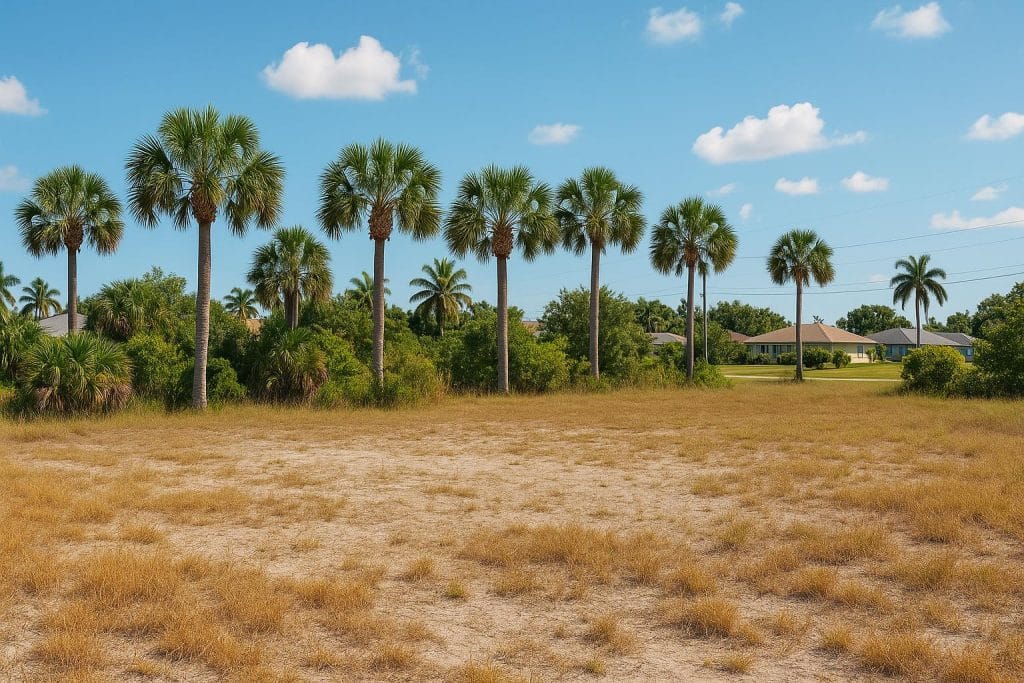
An online land listing can give you a good impression. However, visiting the land in person allows you to notice details that may not be obvious from a listing.
Eyeing a certain piece of land? Here are some important things to look for when you visit.
Check how you can access the property
When viewing Lots For Sale In Florida, pay attention to accessibility. On a map, a property might be near a road. But it might not have an easy or direct connection.
Check out the road.
- Is it in good condition?
- Can you reach it in a regular vehicle?
Also, inquire if the land has a set access point.
The fact that you can drive up a road or access an entrance does not mean that you are lawfully allowed to do so. Confirm the legal access arrangements separately as well.
View the surrounding area
The land is only one part of the property. Its surroundings can also influence its suitability for your plans.
Stroll around the site and observe surrounding houses, undeveloped ground, businesses, roads, etc. Consider whether the environment suits your plans. For instance, the needs of a retiring couple might differ from a young family that wishes to be near schools and other everyday services.
See past the fence and think about what you might be getting yourself into when you buy the land!
Pay attention to the terrain
Don’t assume that all parts of a property are equally usable. Stroll across the land and make general observations of the shape and condition of the terrain.
Try to identify any obvious areas that could affect your plans. For example:
- Slopes
- Hollows
- Ponds
- Thick ground cover
- Bare roots
- Rocks, etc.
You don’t have to know if the land is appropriate for construction during a brief walk of it. But if you see some potential problem areas, you know what questions you should ask before purchasing.
Check for signs of water or drainage problems
Water can be an important consideration in Florida. Search for places where water seems to build up, especially in low-lying regions of the property.
Sometimes, a different texture in the ground, erosion, water marks, or drainage ways could be worth investigating. Don’t judge a book by its cover; a piece of land may appear fine during the dry season but not so pleasant during the wet.
Additionally, take time to find out about the property’s flood hazard with authoritative, verifiable sources like FEMA.
Note the available connections
Pay attention to any available services. Especially if you plan to build. Search for any existing infrastructure, such as:
- Internet
- Power
- Water
But don’t assume that a nearby utility line will be easy or cheap to connect to. Call the appropriate utilities to get information about what is available and any requirements.
The property’s proximity to services is another thing. Check the distance between the property and:
- Main roads
- Supermarkets
- Hospitals
- Schools
- Other facilities that are important to you
Verify the property boundaries
It is not always possible to tell where the edge of a property is by looking at the fence, tree line, road, or clearing, and you should not presume this. Check the property map carefully.
If the lines are not clear, seek professional guidance. This is especially important if there are fences or other structures near the presumed property line.
Notice what is missing from the property
It’s possible to focus on what you like when looking at a property. But you should also pay attention to what is not there.
- Is there no obvious road leading directly to the property?
- Are there no nearby utility connections?
- Are there restrictions on development in the vicinity?
- Are there features you expected to see that are missing?
You may want to record these observations on a simple list so you can investigate the property further afterward.
Take notes and ask questions
Don’t rely on your memory 100%, especially if comparing multiple properties at Discount Lots. Write notes about each place and what catches your eye.
You may also take photographs (where allowed). Take photos of the entrance, roads around the properties, nearby properties, terrain, and other elements that can aid in later property comparisons.
You might have noticed flaws like:
- Standing water
- Unclear access
- Difficult terrain
- Lack of amenities, etc.
In that case, find out more before deciding.
The takeaway
Photos may give an overview of a property, and maps can help you understand where a property is located. But with a site visit, you can catch things that you might not see from a listing.
You can check out the surrounding area and understand the topography. You can also notice issues that need more investigation, such as:
- Drainage
- Utilities
- Boundaries
- Adjacent services
Above all, don’t consider a property inspection to be the last phase of your investigation. Use your observations to determine whatever facts you need to verify before making a purchase.


Angela Spearman is a journalist at EzineMark who enjoys writing about the latest trending technology and business news.