


For many people interested in healthcare careers, one of the biggest questions is not only “How do I become a Medical Assistant?” but also “What does a Medical Assistant actually do every day?”
A career as a Medical Assistant can look different depending on the workplace, specialty, and size of the healthcare facility. Some Medical Assistants work in private physician offices, while others work in urgent care centers, outpatient clinics, or specialty practices.
Unlike some healthcare careers that focus on only one area, Medical Assistants often combine patient care, clinical responsibilities, administrative tasks, and communication skills throughout their day.
From preparing examination rooms in the morning to assisting physicians during patient visits, Medical Assistants play an important role in helping healthcare facilities operate efficiently.
Understanding what a typical workday looks like can help future healthcare professionals decide whether this career path matches their goals.
Starting the Day: Preparing the Medical Facility
A Medical Assistant’s day often begins before patients arrive.
One of the first responsibilities is preparing the healthcare environment so physicians and staff can provide efficient patient care.
Morning tasks may include:
- Reviewing the patient schedule
- Checking electronic medical records (EMR)
- Preparing examination rooms
- Organizing medical supplies
- Ensuring equipment is ready for use
By reviewing the schedule ahead of time, Medical Assistants can understand what types of appointments are planned and prepare for specific patient needs.
For example, a routine wellness visit may require different preparation compared with a follow-up appointment, diagnostic procedure, or specialty consultation.
Organization is an essential skill because healthcare facilities often manage many patients throughout the day.
Welcoming Patients and Collecting Health Information
One of the most important parts of a Medical Assistant’s role is interacting directly with patients.
When patients arrive, Medical Assistants often help guide them through the beginning of their visit.
This may include:
- Confirming patient information
- Reviewing medical history
- Asking about current symptoms
- Recording medications
- Updating patient records
Communication is especially important because many patients may feel nervous, uncomfortable, or uncertain about their healthcare situation.
A successful Medical Assistant helps create a welcoming environment while collecting accurate information that physicians need.
The ability to communicate clearly and professionally is one of the most valuable skills in this profession.
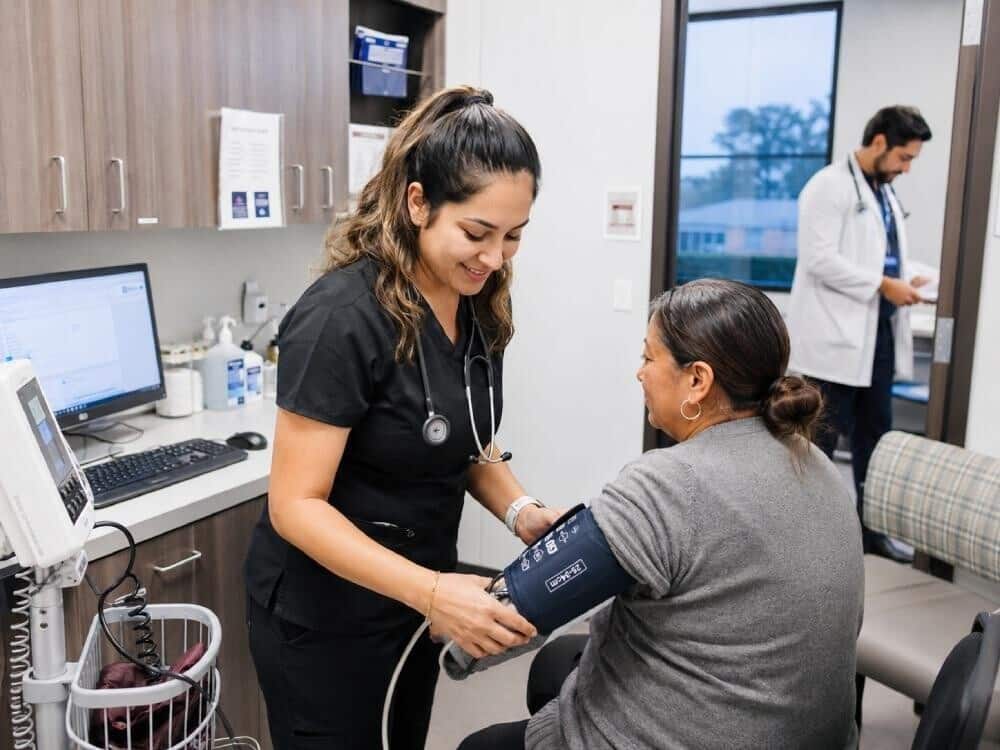
Taking Vital Signs and Supporting Patient Care
After collecting patient information, Medical Assistants commonly perform basic clinical tasks before the physician begins the examination.
These responsibilities may include measuring:
- Blood pressure
- Temperature
- Pulse
- Respiratory rate
- Height and weight
Accurate vital signs provide important information about a patient’s health and help physicians understand their current condition.
Medical Assistants must be careful and detail-oriented because even small errors in documentation can affect patient care.
This combination of technical skills and patient interaction makes the role different from many other entry-level healthcare positions.
Working Alongside Physicians and Healthcare Teams
Medical Assistants are an important part of the healthcare team.
During a typical day, they may work closely with:
- Physicians
- Registered nurses
- Nurse practitioners
- Physician assistants
- Office administrators
Depending on the healthcare setting, Medical Assistants may assist physicians by preparing patients, organizing medical information, documenting notes, and supporting clinical procedures.
They help create a smoother workflow, allowing healthcare providers to focus more effectively on patient care.
Teamwork is a major part of the job because healthcare depends on communication between different professionals.
Clinical and Administrative Responsibilities
One unique aspect of being a Medical Assistant is the combination of clinical and administrative responsibilities.
Some healthcare jobs focus primarily on patient care, while others focus on office management. Medical Assistants often do both.
Administrative responsibilities may include:
- Scheduling appointments
- Updating medical records
- Handling patient documentation
- Communicating with insurance departments
- Managing healthcare paperwork
Clinical responsibilities may include:
- Preparing patients for examinations
- Assisting with medical procedures
- Recording vital signs
- Supporting physicians
This variety is one reason many people find Medical Assistant careers interesting. Every day can bring different tasks and new experiences.
The Afternoon: Managing Multiple Patient Needs
Healthcare facilities can become very busy throughout the day.
Medical Assistants must often balance multiple responsibilities while maintaining accuracy and professionalism.
A typical afternoon may involve:
- Preparing upcoming appointments
- Assisting additional patients
- Updating records
- Communicating with healthcare providers
- Organizing supplies
Strong time-management skills are important because priorities can change quickly in medical environments.
A patient may require additional assistance, a physician may need information quickly, or an unexpected situation may occur.
Successful Medical Assistants learn how to stay organized while adapting to changing circumstances.
What Skills Help Medical Assistants Succeed?
A great Medical Assistant needs more than technical knowledge.
Some of the most important skills include:
Communication Skills
Medical Assistants interact with patients and healthcare professionals every day. Clear communication helps create better patient experiences.
Attention to Detail
Medical records, measurements, and documentation must be accurate.
Organization
Managing appointments, paperwork, supplies, and patient needs requires strong organizational abilities.
Compassion
Patients often visit healthcare facilities during stressful moments. A caring and professional attitude can make a significant difference.
Adaptability
Every healthcare environment is different. Medical Assistants must be comfortable learning new procedures and handling different situations.
How Training Prepares Future Medical Assistants
Because Medical Assistants perform both clinical and administrative duties, proper education is an important step toward entering this career.
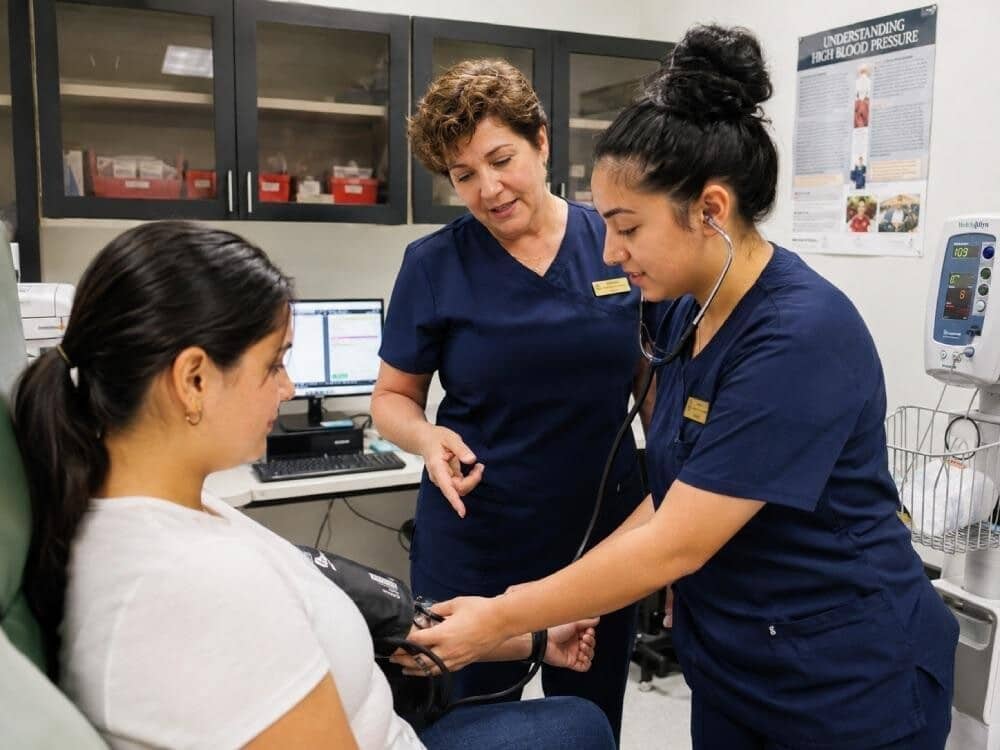
A quality Medical Assistant program can help students develop the knowledge and practical skills needed for real healthcare environments.
Effective training programs often include:
- Medical terminology
- Anatomy and physiology
- Patient care procedures
- Medical office operations
- Clinical skills
- Hands-on practice
- Real workplace experience
Hands-on learning is especially valuable because Medical Assistants need confidence working with patients, equipment, and healthcare teams.
Programs that include practical training and externship opportunities can help students better understand what daily work in a medical facility looks like.

Where Do Medical Assistants Work?
Medical Assistants can work in many healthcare environments across the United States.
Common workplaces include:
- Physician offices
- Urgent care centers
- Outpatient clinics
- Specialty medical practices
- Healthcare organizations
The work environment can influence daily responsibilities.
For example, a Medical Assistant in a family medicine office may see a wide range of patients, while someone in a specialty clinic may focus on a specific area of healthcare.
This variety allows professionals to explore different career opportunities within the healthcare industry.
Is Being a Medical Assistant a Good Career Choice?
For individuals who enjoy helping others and want to enter healthcare, becoming a Medical Assistant can be a rewarding career choice.
The profession offers opportunities to:
- Work directly with patients
- Support healthcare teams
- Build valuable medical skills
- Gain experience in the healthcare industry
- Continue advancing professionally
Many people choose this career because it provides a way to make a difference while starting a healthcare journey without spending many years in school.
Choosing the Right Medical Assistant Training School
Selecting the right education provider can have a major impact on career preparation.
Students should consider factors such as:
- Hands-on training opportunities
- Experienced instructors
- Clinical practice
- Externship availability
- Career support
Career-focused healthcare schools like CHAC provide programs designed to help students develop practical skills and prepare for entry-level healthcare positions.
With a combination of classroom learning, hands-on training, and career preparation, students can build the foundation needed to begin working as Medical Assistants.
Start Your Journey Toward a Medical Assistant Career
A day in the life of a Medical Assistant is filled with variety, patient interaction, teamwork, and opportunities to support better healthcare experiences.
From preparing patients and assisting physicians to managing important medical information, Medical Assistants play an essential role in modern healthcare.
For individuals interested in this career path, choosing a training program that provides practical skills and real-world preparation can be an important first step.


Angela Spearman is a journalist at EzineMark who enjoys writing about the latest trending technology and business news.