


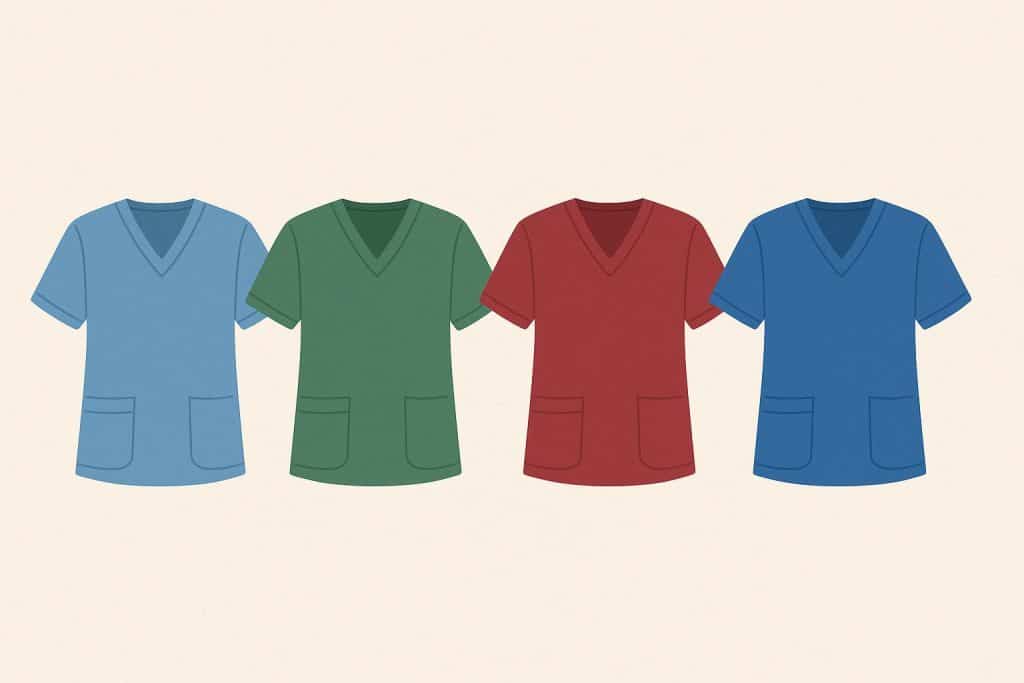
With contemporary design, nurse uniforms do a lot more than simply meet basic functional needs. Nowadays, colours are selected to actually affect how patients will feel, how staff will communicate, and how hospitals will present their brand identity. Colour psychology has become an important consideration for both public and private healthcare settings, from the first impression to patient satisfaction scores.
This article looks at the emotional and psychological effects of each major nurse uniform colour-and how strategic colour choices can transform the patient experience.
Why Colour Matters So Much in Healthcare
Hospitals are emotionally charged places. Most patients arrive with a feeling of tension, unease, or discomfort. Uniform colors make a subtle but strong statement that shapes their experience.
1. Colour affects patients’ emotions
Colours like blue and green are associated with calmness, while white signals hygiene and, ultimately, trust.
2. Colour helps identify roles
Colour-coding promotes efficiency as patients and staff can instantly identify who is who without confusion.
3. Colour builds brand identity
Like any other organization, hospitals benefit from a cohesive, professional look.
4. Colour impacts workplace morale
Colours that reflect personality or role make nurses feel more confident.
5. Colour supports infection-control systems
Some hospitals are matching specific colors to departments with different hygiene levels.
Health facilities can make their environment feel safer, calmer, and more organized simply by choosing colours thoughtfully.
White-clean, professional, and trustworthy.
White is considered an iconic color in the history of nursing. Long before modern scrubs existed, nurses wore crisp white dresses, tunics, and caps that symbolised cleanliness and professional integrity.
Psychological Meaning of White
• Purity and cleanliness
• Transparency and honesty
• Professionalism and trust
Because many patients still associate white with traditional care, uniforms in this color evoke reassurance and confidence.
While coloured scrubs dominate the hospitals today, many clinics and private facilities still use a white nurse uniform for professional nurses, particularly in cases where a polished, classic, and trustworthy look is preferred, such as maternity clinics, rehabilitation centres, and outpatient services.
Why White Is Still Relevant
• Patients instinctively perceive it as clean
• Ideal for departments with close patient contact
• Timeless, elegant, highly professional • Works well as a “senior nurse” or “charge nurse” colour In healthcare, white remains a strong symbol, especially in places with traditional values and composed reassurance.
Blue- Cool, capable, trustworthy.
There’s arguably no more popular scrub color in the world than blue. Research has proven that shades of blue elicit responses of calmness, stability, and dependability—precisely what patients need when communicating with healthcare professionals.
Why Blue Works in Healthcare
• Helps reduce stress and anxiety
• Looks clean and professional
• Easy on the eyes under bright hospital lighting
• Universally flattering and gender-neutral
Darker navy blues often denote seniority, while lighter blues are best applied to general nursing roles. This makes a natural, instinctive hierarchy within the clinical teams.
Common Uses for Blue Uniforms
Emergency departments
• Outpatient clinics
• General ward nursing
• Radiology, cardiology, and intensive care
Blue blends professionalism with approachability, making it a foundational colour in modern healthcare.
Green – Healing, Refreshing, and Balanced
Green is a color strongly associated with healing, renewal, and calm—qualities that align perfectly well with healthcare environments.
Psychological Meaning of Green
• Growth and recovery represented
• Creates a soothing environment
• Reduces visual fatigue for staff
This color is particularly popular in surgical fields since it relieves eye strain under bright theatre lights. Green also provides the best contrast to blood and bodily fluids, helping surgeons to maintain visual sharpness.
Where Green Scrubs Are Common
• Surgical theatres
• Recovery wards
Intensive care
• Medical clinics
Green’s natural sense of balance makes it the best choice for high-stress departments that often require calmness.
Pink – warm, gentle, and compassionate
The atmosphere of kindness and emotional warmth is created by pink uniforms. Patients, especially children and new mothers, often show a very positive reaction to the staff wearing pink scrubs.
Psychological Meaning of Pink
• Comfort and reassurance
• Nurturing and empathy
• Gaiety and affability
Pink is widely used in departments that require emotional support because it evokes softness and safety.
Common Pink Uniform Uses
• Paediatrics
Neonatal units
• Maternity wards
• Community nursing
• Palliative care
Pink helps nurses seem more approachable, making those moments just a little more comforting.
Purple – Expertise, Leadership, and Authority
Purple is a dignified, rich color commonly associated with knowledge, leadership, and high-level skill. Many hospitals use purple scrubs to differentiate experienced or specialized nurses.
Why Purple Works
• Signals competence and advanced knowledge
• Allows patients to easily identify senior staff
• Adds a layer of authority, but not intimidating
Deep purple, plum, or violet shades are worn by nurses in specialist roles.
Common Purple Uniform Uses
• Oncology
• Triage specialists
• Advanced nurse practitioners
• Ward supervisors and senior nurses
Purple balances authority with care, making it a great fit for staff who lead, guide, and teach.
Black or Navy – Modern, Stylish, and Authoritative
Black and navy have gained considerable momentum in personal care institutions for their minimalistic and modern look.
Psychological Meaning of Dark Colours
• Confidence and authority
• Luxury and exclusivity
• Seriousness and professionalism
While black would conventionally seem too formal for nursing, today it is considered sleek and highly professional, especially when worn with clear identification badges.
Where Dark Uniforms Are Common
Private clinics and cosmetic centres
• Dental practices
• Specialist nursing roles • Senior administrative nursing Dark tones denote competence while maintaining a fresh and neat look.
How Hospitals Can Choose the Right Colours
The selection of an appropriate color scheme is not just a matter of personal preference. The following are some factors that facilities should consider:
✔ 1. Patient Demographics
Children, older adults, and mental health patients tend to respond differently to certain colours.
2. Department Needs
High-stress units benefit from calming colours, whereas traditional departments may prefer classic tones.
✔ 3. Brand & Identity
Colours should complement the professional image and values of the hospital.
✔ 4. Role Differentiation
Clear colour-coding prevents confusion for both patients and staff.
✔ 5. Staff’s Feedback
A comfortable and confident nurse with uniforms gives their best performance.
✔ 6. Practicality & Maintenance
Colours should effectively mask stains, maintain brightness after washing, and meet hygiene standards.
Final Thoughts
Colours of uniforms worn by nurses are much more than a matter of style; they are subtle psychological tools that influence trust, comfort, and communication. A facility may choose the crisp professionalism of white, the soothing reliability of blue, or warmth with pink, but each colour comes with meaning.
Colour used judiciously not only enhances the experience of the patient but also transforms the working environment for nurses. A well-thought-out uniform-colour strategy can change hospital culture and improve relationships between staff and patients.


Angela Spearman is a journalist at EzineMark who enjoys writing about the latest trending technology and business news.