


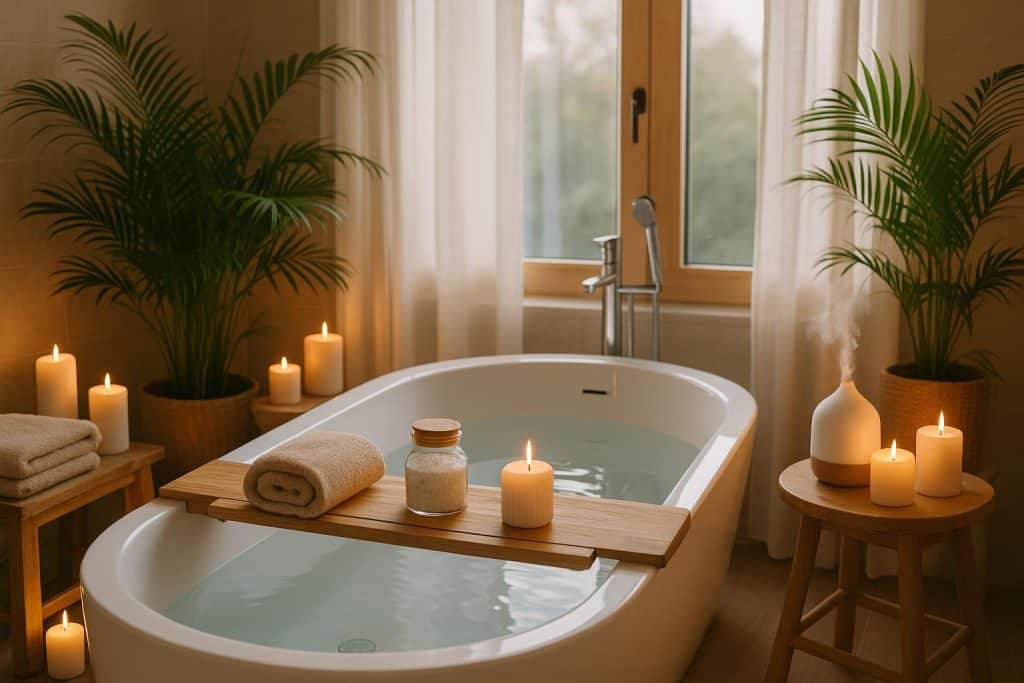
There was a time when a spa day meant booking an appointment, driving somewhere, and paying a premium for an hour or two of relaxation before returning to ordinary life. That model is shifting. More homeowners are choosing to build spa-like experiences directly into their homes, treating features like a far infrared sauna not as an occasional indulgence but as a genuine, everyday part of how their home functions. Understanding why this shift is happening reveals a lot about how people’s relationship with relaxation, self-care, and their own homes has changed.
The Traditional Spa Model Has Real Limitations
Booking a spa visit requires planning, travel, and payment for a single, time-limited session. For many people, this makes the spa experience something reserved for special occasions rather than a regular part of life, even though the benefits of that kind of relaxation would arguably be more valuable if accessed consistently rather than occasionally. The friction built into the traditional spa model , scheduling, driving, cost per visit , naturally limits how often most people actually use it.
Bringing a similar experience into the home removes nearly all of that friction. There’s no commute, no appointment to schedule around, and no per-visit cost calculation standing between someone and the experience they’re seeking.
Home Spa Features Reflect a Broader Shift in How People View Their Homes
Homes have increasingly become multi-purpose spaces , offices, gyms, and now, for many homeowners, personal wellness retreats. This shift reflects a broader change in how people think about their living spaces: not simply as a place to sleep and store belongings, but as an environment actively designed to support how they want to feel and live day to day.
Spa-like features fit naturally into this broader trend, extending the same logic that turned spare bedrooms into home offices and garages into home gyms. If a home can be designed to support work and fitness, it makes sense that it can also be designed to support genuine relaxation and self-care.
Consistency Matters More Than Occasional Indulgence
One of the clearest advantages of a home-based spa feature over occasional spa visits is the ability to use it consistently, as part of a regular routine rather than a rare treat. A feature that’s part of someone’s home, available whenever they want it, naturally gets incorporated into daily or weekly habits in a way that an occasional, planned outing rarely does.
This consistency matters because many of the benefits people associate with spa-like experiences come from regular use over time, not from isolated, infrequent sessions. A home setup that supports frequent, low-friction use tends to deliver more value over the course of a year than a handful of scheduled spa visits ever could.
Privacy Appeals to a Different Kind of Relaxation
Not everyone finds it easy to relax in a shared, public spa environment, surrounded by strangers and following someone else’s schedule and rules. A home setting offers complete privacy, allowing someone to fully unwind without the social awareness that can come with a public facility. This privacy factor is a significant, if understated, reason many homeowners prefer bringing spa-like features home rather than continuing to rely on public facilities.
For some, this private setting also allows for a more personalized experience , using the space exactly how and when they want, without needing to accommodate anyone else’s preferences or schedule.
Quality and Craftsmanship Have Become More Important to Buyers
As home wellness features have moved from novelty purchases to genuine long-term investments, homeowners have become more discerning about quality and craftsmanship, treating these purchases the way they would any significant home investment. This shift reflects growing awareness that a poorly made feature, chosen purely on price, may not deliver the long-term satisfaction or durability that a higher-quality option would provide.
This increased attention to quality is part of why homeowners increasingly research materials, construction methods, and manufacturer reputation before investing in home spa features, rather than treating the purchase as a simple, interchangeable commodity decision.
A Home Investment That Serves the Whole Household
Unlike a spa membership tied to a single person, a home-based wellness feature typically serves an entire household, available to every family member at their own convenience. This shared usability adds to the overall value of the investment, since the cost is effectively spread across multiple people and multiple uses over the feature’s lifespan, rather than benefiting only the person who originally purchased it.
The Bottom Line
Bringing spa-like experiences into the home reflects a genuine shift in how people think about relaxation, privacy, and the role their living space plays in daily life. By removing the friction of scheduling and travel, supporting consistent use, and offering privacy that public facilities can’t match, home-based wellness features have moved from a luxury reserved for special occasions to a genuine, everyday part of how many homeowners choose to live. For anyone considering this kind of investment, treating quality and craftsmanship as a priority ensures the feature continues delivering value for years to come.


Angela Spearman is a journalist at EzineMark who enjoys writing about the latest trending technology and business news.