



For many households, pets are not accessories to life but central characters in it. They nap in sunlit corners, follow their owners from room to room, and leave subtle evidence of their presence everywhere, from the sofa to the back door. Designing a home that accommodates animals is no longer a niche concern; it is a modern necessity. The challenge, however, lies in creating spaces that support the realities of living with pets without surrendering elegance, intention, or visual harmony. When done thoughtfully, homes can feel polished and personal while still accommodating fur, claws, spills, and play.
Rethinking Pet-Friendly Design
The idea that pet-friendly design must look casual or compromised is outdated. The most successful interiors begin by acknowledging pets as part of the household from the earliest planning stages. Instead of adding pet accommodations as an afterthought, designers now integrate them seamlessly into layouts, materials, and finishes.
This approach shifts the conversation from hiding wear and tear to selecting elements that age gracefully. Scratches, patina, and signs of life are reframed as part of a home’s story rather than flaws to conceal. When materials and layouts are chosen with both humans and animals in mind, the result is a space that feels honest and lived-in without losing sophistication.
Choosing Materials That Can Handle Real Life
Material selection is one of the most impactful decisions when designing for families with pets. Floors, walls, and upholstery bear the brunt of daily activity, and durability is essential. Natural stone, porcelain tile, and high-quality engineered wood are popular choices for flooring, offering resistance to scratches and ease of cleaning while maintaining a refined appearance.
In high-traffic areas, tile has become especially appealing. Modern tile designs offer depth, texture, and variation that rival traditional materials. Mosaic field tiles, for example, can create visually rich surfaces in entryways or kitchens while providing excellent durability and slip resistance. Their small scale helps disguise dirt and wear, making them as practical as they are beautiful.
Walls, too, benefit from thoughtful material choices. Washable finishes, limewash, or durable paint formulations allow for easy maintenance without sacrificing depth or character. In homes with dogs that shake off water or cats that love to stretch vertically, these considerations make a tangible difference.
Floors That Balance Beauty and Function
Floors often set the tone for a home, and when pets are involved, they must strike a careful balance. Soft surfaces may feel inviting, but they can trap hair and odors. Hard surfaces offer practicality, but they must also feel warm and cohesive within the overall design.
Layering is key. Area rugs define zones and add softness while allowing the primary flooring to remain durable. Choosing rugs with subtle pattern or texture helps disguise shedding and minor stains. Low-pile wool rugs are especially effective, offering natural stain resistance and longevity.
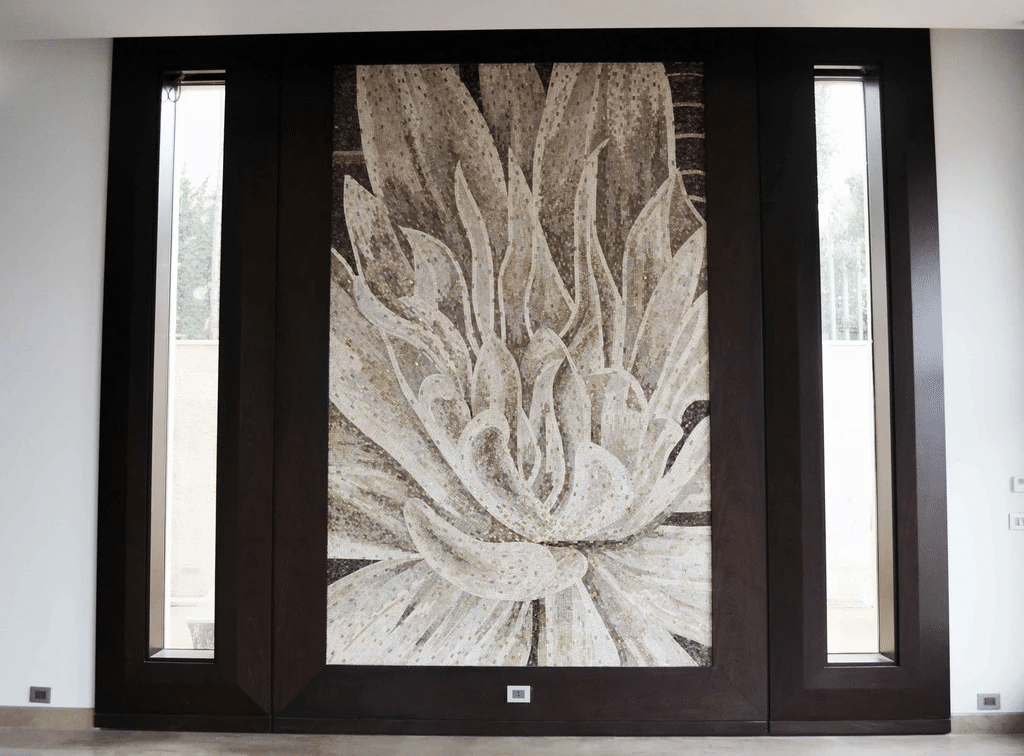
In certain spaces, particularly mudrooms or transitional areas, designers are embracing more expressive flooring solutions. A mosaic wall paired with tile flooring near an entry can create a striking yet functional zone for cleaning paws and storing leashes, proving that pet-conscious design can still feel editorial and intentional.
Upholstery That Invites
Furniture is often where pet owners feel most conflicted. Sofas and chairs are natural gathering points for humans and animals alike, making them susceptible to fur, scratches, and spills. Rather than avoiding upholstered furniture altogether, the focus has shifted to smarter fabric choices.
Performance fabrics have evolved dramatically in recent years. Today’s options mimic the look and feel of linen, velvet, or cotton while offering stain resistance and easy cleaning. These fabrics allow homeowners to maintain a tailored aesthetic without constant worry.
Color and texture also play important roles. Mid-tone fabrics hide fur better than extremes of light or dark, while subtle texture disguises wear. Slipcovers offer flexibility, allowing pieces to be refreshed without replacing them entirely. The goal is not to protect furniture from pets completely, but to choose pieces that can coexist gracefully.
Layouts That Support Movement and Rest
Pets experience homes differently than humans do. They follow scent trails, seek warmth, and observe the world from lower vantage points. Designing layouts that acknowledge these behaviors can improve both functionality and aesthetics.
Clear circulation paths benefit pets and people alike. Open, intuitive layouts reduce bottlenecks and create a sense of ease. Window placement and furniture arrangement can encourage pets to settle in designated areas rather than high-traffic zones.
Creating intentional resting spots for pets helps maintain order. Built-in benches, window seats, or custom nooks can accommodate pet beds without disrupting the visual flow of a room. When these features are integrated into the architecture, they feel purposeful rather than improvised.
Storage That Keeps Clutter at Bay
Pet ownership comes with accessories: toys, food, grooming tools, and leashes all need a home. Without thoughtful storage, these items can quickly overwhelm a space. Integrated storage solutions help maintain visual calm while keeping essentials accessible.
Cabinetry with designated compartments for pet supplies allows items to disappear when not in use. In kitchens or mudrooms, pull-out drawers for food bowls or concealed feeding stations keep routines tidy. These solutions blend seamlessly into the design, reinforcing the idea that pet-friendly does not mean pet-centric in appearance.
Storage is also an opportunity to reinforce material continuity. Matching finishes, hardware, and proportions ensure that functional elements feel cohesive rather than utilitarian.
Designing for Cleanliness Without Sterility
Cleanliness is a priority in homes with pets, but overly sterile environments can feel unwelcoming. The goal is to make cleaning easier without creating spaces that feel clinical.
Washable wall finishes, durable flooring, and thoughtful transitions between indoor and outdoor areas reduce maintenance while preserving warmth. Entry zones designed for pets, complete with towel hooks and storage, help contain messes at the threshold rather than throughout the house.
Air quality also matters. Proper ventilation, natural fibers, and regular airflow contribute to a home that feels fresh. These choices support health and comfort while enhancing the overall sensory experience of the space.

Embracing Imperfection as Part of Design
One of the most profound shifts in pet-friendly design is the acceptance of imperfection. Homes that accommodate animals inevitably show signs of life, and rather than resisting this reality, designers are learning to embrace it.
Materials that patinate, fabrics that soften, and finishes that evolve over time align with a more relaxed and authentic approach to living. This philosophy mirrors a broader movement toward interiors that feel personal rather than pristine.
By choosing elements that respond gracefully to wear, homeowners can relax into their spaces, enjoying both their design and their pets without constant vigilance.
Color Palettes That Work Harder
Color choices can significantly influence how well a home functions with pets. Highly saturated or very light colors may highlight fur and marks, while more nuanced palettes offer camouflage without sacrificing style.
Earthy neutrals, warm grays, and complex mid-tones provide a forgiving backdrop. These colors pair beautifully with natural materials and create a sense of calm that benefits both humans and animals. Accents can be layered through art, textiles, and objects that are easier to update over time.
Color is also an emotional tool. Calm palettes reduce visual noise, creating environments where pets feel secure and people feel relaxed.
Outdoor Connections and Transitional Spaces
Pets often move between indoors and outdoors, making transitional spaces especially important. Mudrooms, patios, and garden access points should be designed with durability and ease in mind.
Outdoor materials brought inside, such as tile or stone, help bridge the gap between environments. These spaces benefit from thoughtful drainage, easy-clean surfaces, and storage for outdoor gear. When designed with the same care as interior rooms, transitional spaces feel like natural extensions of the home rather than utilitarian zones.
Strong indoor-outdoor connections also enhance quality of life, providing pets with stimulation and homeowners with a deeper relationship to their surroundings.
Designing With Longevity in Mind
Designing for pets is ultimately about longevity. Trends come and go, but the relationship between people and their animals endures. Homes that accommodate this relationship thoughtfully remain functional and beautiful for years.
This longevity is achieved through restraint and foresight. Investing in quality materials, flexible layouts, and timeless design principles ensures that spaces can evolve alongside changing needs. A home designed with pets in mind often proves more resilient and adaptable overall.
Style That Reflects Real Life
At its best, design reflects how people actually live. Pets add complexity, joy, and unpredictability to daily routines, and homes should be able to accommodate that richness.
When homes are planned with intention, beauty and practicality reinforce one another. Materials are chosen for both performance and character. Layouts support movement and rest. Storage maintains calm. The result is a home that feels cohesive, welcoming, and deeply personal.
In embracing pets as part of the design equation, homeowners often discover a more relaxed and meaningful approach to interiors. Style becomes less about control and more about care, less about perfection and more about presence. And in that balance, homes become not only more beautiful, but more alive.

Angela Spearman is a journalist at EzineMark who enjoys writing about the latest trending technology and business news.
