


Key Takeaways
Proximity cards are fundamental to modern security systems, allowing quick access through radio frequency identification (RFID) and eliminating the need for traditional physical keys.
Access control key fobs are small and easy to use, making entry management straightforward while doing away with the complications that come with larger cards or physical keys.
By implementing access credentials, companies can significantly cut operational expenses by minimizing the reliance on physical locks and reducing risks associated with lost keys.
RFID access cards not only offer long-term savings but also provide significant investment value. They help lower the chances of security breaches and facilitate easy upgrades for future security requirements.
With customizable access control cards, organizations can adapt security features to meet specific needs, thereby boosting safety and compliance across various environments.
Integrating proximity tags with other security measures enhances the overall infrastructure, encouraging real-time communication between different devices.
Ongoing monitoring via access credentials allows organizations to track personnel movements in real time, which leads to better security evaluations and informed decisions regarding resource management.
Opening up Security: How Access Credentials Enhance Safety
The Role of Proximity Cards in Modern Security Systems
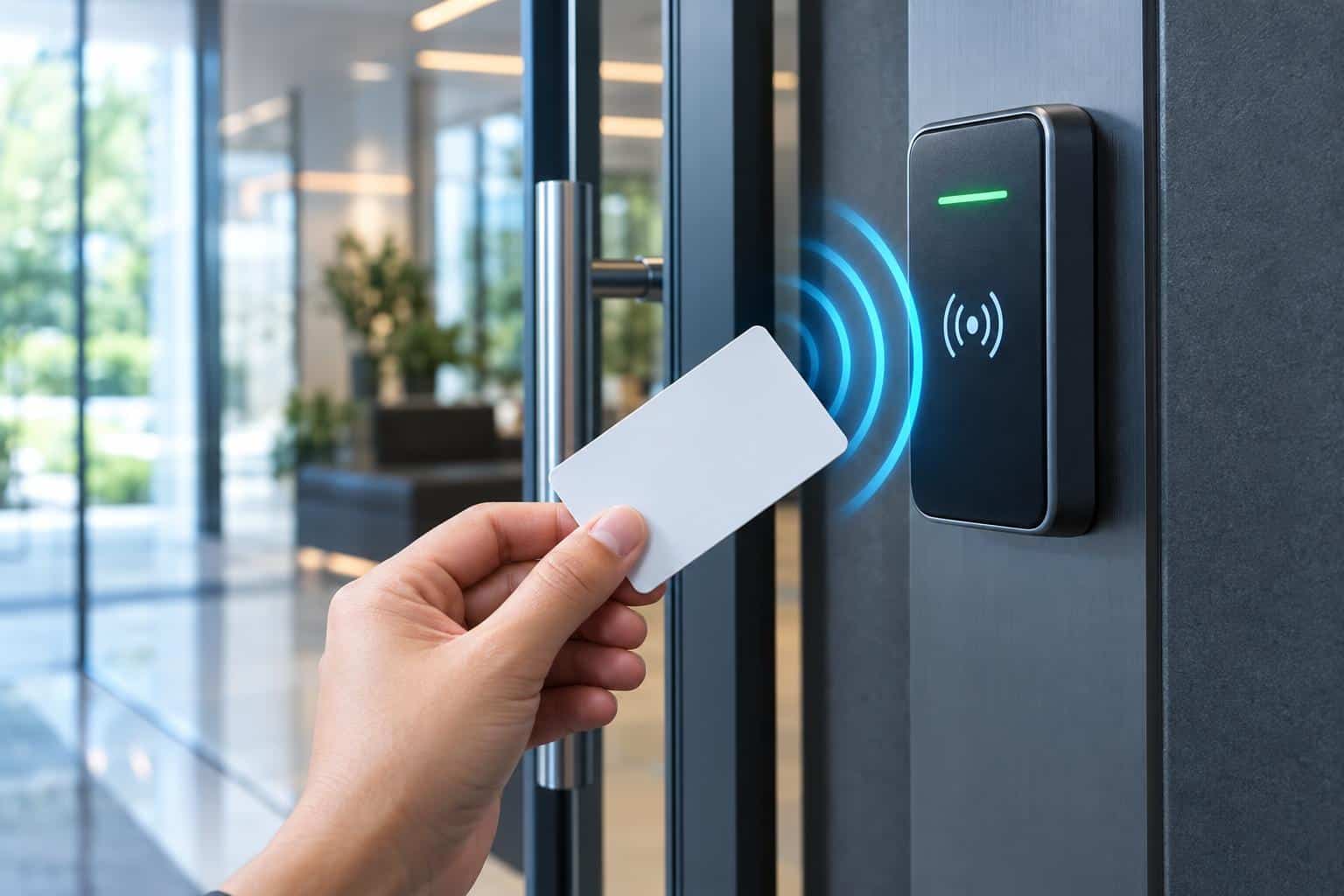
In today’s landscape, modern security systems rely heavily on proximity cards. They simplify access management across a variety of facilities. Picture this: a quick swipe or tap grants entry—no fuss, just convenience. Their straightforward use enhances their widespread appeal.
Using radio frequency identification (RFID), proximity cards allow individuals to confirm their identity effortlessly. This technology eliminates the dependency on physical keys, which can easily be lost, stolen, or duplicated. It’s a simple concept that produces profound results: access for authorized personnel only.
This method not only improves security—it cultivates a safety-centered culture in workplaces. By adopting proximity cards, organizations communicate their commitment to protecting people and assets. Thus, it’s clear why they’re a favored option across numerous sectors.
- Improved efficiency during entry procedures.
- Heightened security with distinct access codes.
- Immediate revocation of access when needed.
How Access Control Key Fobs Streamline Entry
Access control key fobs represent another breakthrough that simplifies security access. They’re compact, portable, and incredibly user-friendly. Just hook them onto a keychain and gain entry when needed. This kind of convenience allows users to manage access without the burdens associated with physical keys.
Why are key fobs so attractive? They effectively blend traditional lock-and-key concepts with cutting-edge RFID technology. This means users can enjoy quick access without fiddling with larger cards. They almost resemble miniature remote controls, ensuring that every authorized individual reaches what they need, anytime they require it.
Clients frequently express immense satisfaction with these fobs. Their rapid, seamless access keeps operations flowing smoothly. Think about high-traffic areas—faster entry minimizes waiting times and enhances workflow. This perfectly aligns with modern business objectives.
- User-friendly nature promotes widespread adoption.
- Compact design boosts mobility and practicality.
- Robust construction ensures longevity in diverse conditions.
Cost-Effective Solutions: Maximizing Value with Proximity Credentials
Lowering Operational Costs Through Efficient Access Management
Introducing access credentials goes beyond mere security; it’s a judicious business decision. Many organizations discover significant reductions in operational costs through effective access management. This is achieved by cutting down on the number of physical locks and keys needed and lessening the risks tied to lost keys.
Traditional locking mechanisms often entail hefty material costs and require frequent maintenance. On the other hand, access credentials streamline operations. They generate real-time access logs while automating tasks that were once performed manually. This shift can lead to substantial financial savings.
Numerous clients have noted increased productivity as a direct consequence of diminished downtime. Need to modify access privileges? It’s a matter of moments, not days. Thanks to strategic technology use, overall security management expenses drop considerably.
- Reduced reliance on locksmith services.
- Less time spent on physical key management.
- Fewer manual checks lead to improved operational efficiency.
Investing Wisely: The Long-Term Savings of RFID Access Cards
By adopting RFID access cards, organizations often unlock the door to substantial long-term savings. While initial investments might appear considerable, the return on investment quickly justifies the expense. Efficient access control means fewer security breaches and lower costs associated with emergency protocols.
Just consider the repercussions of a security breach. The financial and reputational damages can be overwhelming. Employing RFID technology not only mitigates these risks but also fine-tunes existing security strategies. Regular updates and system checks keep everything manageable.
Moreover, businesses can extend the life of their access credentials to maximize their value. With proper maintenance, RFID cards can function effectively for years, making the initial investment worthwhile. This transforms them from a mere purchase into a strategic asset.
- Enhanced security translates to lower breach-related costs.
- Durable technology supports sustained investment efficacy.
- Streamlined upgrades and integrations add extra value.
Flexible and Scalable: Adapting Access Credentials to Your Needs
Customizing Access Control Cards for Diverse Environments
In the realm of access control solutions, flexibility is key. Customizable access control cards empower organizations to optimize features based on unique requirements. Whether for an office, a factory, or a school, the capacity to adapt is essential.
Customization goes beyond simply altering colors or logos; it’s about function. Different roles may necessitate varying access levels. By embedding specific features within these cards, businesses can ensure each user receives precisely the access they require. This approach minimizes security exposure and boosts compliance.
Additionally, companies can implement staggered access for temporary staff or contractors. Adjustments can be executed quickly, fostering a more efficient workplace. Often, organizations find that this capability to adapt keeps their operations agile, responsive, and secure.
- Custom visuals enhance brand presence.
- Role-based access helps mitigate potential security issues.
- Rapid adjustments maintain relevant and effective access.
Integrating Proximity Tags Across Various Security Solutions
In a world that’s increasingly interconnected, integrating proximity tags with various security systems holds immense value. Organizations are realizing that employing a blend of technologies results in optimal security setups. This integration cultivates communication among systems, significantly enhancing overall effectiveness.
Proximity tags can seamlessly connect with existing surveillance, alarm, or monitoring technologies to enhance security protocols. For instance, should someone attempt unauthorized entry, the system can promptly notify security personnel. This collaborative effort greatly reinforces defenses.
Think about the varied applications of integrated proximity systems. They can be employed effectively in retail locations, educational facilities, or corporate environments. By merging these technologies, businesses strengthen their security framework, ensuring that even diverse environments are much more secure.
- Improved communication among security devices.
- Better responsiveness during emergencies.
- Streamlined management via integrated platforms.
Continuous Monitoring: Real-Time Insights with Access Control Systems
The Advantage of Tracking Entry and Exit with Access Credentials
Continuous monitoring marks a substantial advancement for organizations focused on enhancing security. By utilizing access credentials, businesses can monitor entry and exit in real-time, allowing for detailed tracking of personnel movements. This information is invaluable for security assessments and compliance evaluations.
Organizations can discern patterns through real-time data. They can identify peak traffic times, frequent entry delays, and even notice potential unauthorized access attempts. This knowledge provides deeper insights into how spaces are utilized and aids in making informed choices about resource allocation and security measures.
After all, knowledge is power. By effectively utilizing this data, companies strengthen their security while simultaneously improving operations throughout their departments. Such insights often lead to substantial operational enhancements across various sectors.
- Comprehensive records of all entries enhance oversight.
- Instantaneous data collection informs necessary security adjustments.
- Pattern analysis leads to refined resource management.
Boosting Response Times with Instant Alerts for Security Breaches
In a time where swift communication is paramount, response times during security incidents cannot be overlooked. Advanced access control systems equip organizations to receive immediate alerts regarding potential security breaches. With timely notifications, managers can tackle unauthorized access attempts directly.
Picture the peace of mind that arises from knowing a system is actively safeguarding assets. The capability to respond to alerts—whether through on-site personnel or remote monitoring—enhances security across the board. Furthermore, it nurtures a proactive rather than reactive mindset regarding security.
Organizations actively addressing potential threats create robust deterrents. Instant alerts promote a culture of accountability and vigilance among employees, ensuring everyone understands the importance of security protocols. This collective engagement in adhering to safety measures reinforces overall organizational security.
- Real-time alerts facilitate efficient incident management.
- Staff are positioned to act swiftly in risk mitigation.
- Encouraged vigilance fosters a secure organizational culture.
The advantages of access credentials encompass everything from heightened security to operational efficiency and ongoing monitoring, making them an invaluable asset in today’s fast-paced environment. Implementing these systems not only provides safety for the premises but supports individuals as they navigate everyday tasks, fostering an environment where productivity thrives.
FAQ
What types of organizations benefit most from access credential systems?
A wide array of organizations gains substantial benefits from access credential systems. Generally, businesses in areas like healthcare, education, and manufacturing find them especially useful due to their stringent security demands and complex access needs.
How does integration with surveillance systems improve security?
Integrating access credential systems with surveillance enhances security by forming a cohesive defense system. Thus, unauthorized access attempts can trigger immediate alerts, ensuring that real-time monitoring and swift responses by security personnel are possible.
Can access credential systems adapt to changing security needs over time?
Certainly. Systems for access credentials are designed for flexibility and ease of adjustment. Organizations can modify user access levels or introduce new technologies as security requirements change, ensuring ongoing effectiveness and relevance.
What role does user training play in the effectiveness of access control systems?
User training holds significant importance. When employees receive proper training on effectively using access credentials, the overall security landscape improves. Informed users are more likely to adhere to protocols and identify potential risks, leading to stronger protection.
How can organizations analyze entry data from access credentials effectively?
Organizations can analyze access credential data using specialized software that generates insightful reports and visuals. By reviewing entry patterns and flows, companies can fine-tune security measures and optimize resource allocation to achieve better results.
Are there environmental factors that affect the performance of access control systems?
Yes, various environmental factors can influence the functionality of access control systems. For example, extreme temperatures or heavy machinery in industrial settings might interfere with RFID signals; therefore, careful planning and perhaps selecting robust technologies tailored for specific environments is necessary.
What should organizations consider when choosing access control technologies?
When selecting access control technologies, organizations should assess scalability, integration capabilities, and user-friendliness. While costs matter, they should be considered against the long-term value and enhanced security the system can deliver.
How do access credentials influence employee morale and productivity?
Access credentials can significantly elevate employee morale by streamlining the entry process. When employees can access their workplaces quickly and smoothly, it reduces frustration and downtime, consequently boosting overall team productivity.

Angela Spearman is a journalist at EzineMark who enjoys writing about the latest trending technology and business news.
