


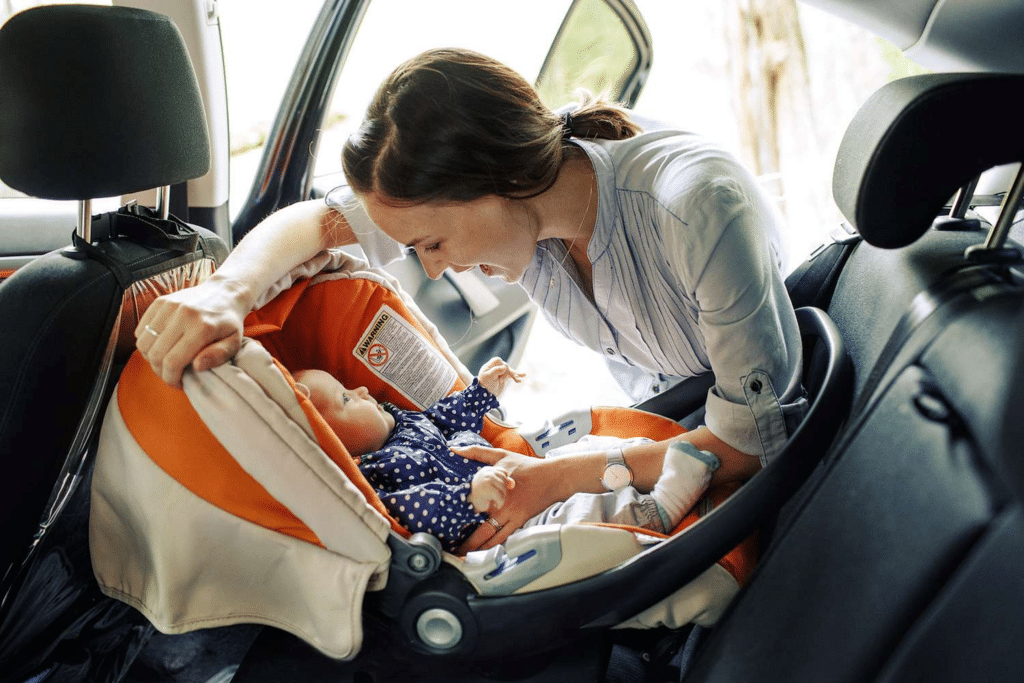
Car seats are a baby safety necessity for most families. It protects your child from unexpected accidents whenever you travel with them. But what most parents don’t know is that car seats do expire. They have a defined lifespan similar to motorcycle helmets and other safety gear across many industries.
If you know how to tell if a car seat out of date, you can help prevent serious injury in a crash. And if the car seat of your baby has expired, you need to act quickly by replacing it with a safe alternative or use a stroller for infant when travelling on foot until you properly install a new car seat.
This article will explain why car seats expire and how their materials degrade over time. The risks and dangers of using an expired car seat and what to do with them will also be discussed.
Why Car Seats Have an Expiration Date and What It Signifies
Car seats have a built-in lifespan of roughly 6-10 years from the manufacture date. There are even some brands that list an even shorter window. That is why it is important that you always check the sticker or manual for your exact model.
While it may initially sound like a ploy by baby gear manufacturers to sell more car seats, the expiration dates of car seats actually have an important purpose. The biggest reason why car seats expire is because of the deterioration over time. After all, car seats are mostly made up of hard plastic, which we know doesn’t last forever.
Over time, your baby’s car seat can become compromised in ways that aren’t visible to the naked eye. Top reasons car seats expire:
- Wear and Tear: Even if your baby’s car seat seems fine on the outside, its material inside may weaken and fail over the years.
- Safety Recalls: There are times when car seats are recalled because of design flaws, malfunctioning parts, or safety risks found after the seat hits the market.
- Safety Standard Updates: Car seat safety changes as new crash data and testing methods become available. An older car seat that met past standards may no longer meet today’s.
- Crash Damage: Car seats are made to absorb impact once, not multiple times. If a seat has been in a moderate or severe crash, its internal components may be compromised.
The Invisible Breakdown: How Materials Degrade Over Time
Warmer climates, heat, cold, sun, humidity, and age can affect plastics and make them brittle and unsafe. This is according to a certified child passenger safety technician. Plus, metal parts can rust in unseen areas and affect how the seat performs in a crash.
Along with environmental factors, let’s not forget about all the food, drinks, and cleaners various safety parts, like the buckles, harness webbing, and adjusters, are constantly exposed to. These could all degrade the car seat’s performance, as well. Not to mention, all these things could also make it harder to read safety labels, instruction manuals, insert instructions or other safety components, increasing the risk of car seat misuse.
Understanding the Role of Safety Standards and Technological Updates
Gear relating to baby safety is constantly being improved upon; just think about how much baby safety information has changed since you yourself were a kid. Car seat manufacturers want to make sure that their products meet updated safety standards and best practice recommendations.
Safety standards also have a big role in the expirations of car seats. Organizations like the National Highway Traffic Safety Administration (NHTSA) periodically update testing requirements and safety guidelines. These changes don’t happen every year; older car seats may no longer meet current recommendations when updates do occur. Meaning a car seat out of date might lack critical safety features that are now considered standard.
Another factor that led to the discontinuation of older models is technological advancements. When a car seat is no longer produced, replacement parts may become unavailable. It will be difficult or impossible for you to repair or properly maintain the seat. The expiration dates of car seats make sure that children are riding in seats designed to meet modern safety expectations, using up-to-date materials and proven crash-protection technology.
Locating and Deciphering the Expiration Date on Your Car Seat
You won’t easily find the expiration date on your car seat. Most manufacturers print the expiration date or the date of manufacture, followed by a “use by” timeframe, directly on the seat. The common locations of these dates include the back or bottom of the car seat shell, the side near the base, or on a label underneath the padding.
Look for the date of manufacture instead, if you don’t see an exact expiration date. Usually, it is stamped, engraved, or printed on a sticker. Typically, you are allowed to use the cae seat for about six to ten years from that date, but that still depends on the model and materials. You can confirm the exact lifespan by checking the instruction manual or the manufacturer’s website.
Be careful if labels are faded, missing, or unreadable. Worn or damaged labels are often a sign that the seat is older and may already be a car seat out of date. If you’re not sure, contact the manufacturer directly with the model number and date of manufacture. They will tell you whether the seat is still safe to use. When in doubt, replace an expired car seat just to be sure.
The Risks and Dangers of Using an Expired Car Seat
If you use a car seat out of date, you are putting the safety of your baby at risk. An expired car seat may not seem risky at all, but there is hidden damage you can’t spot, and safety features may be outdated already. These factors significantly reduce protection in a crash. A car seat out of date no longer meets the safety expectations it was originally made for.
These are the risks and dangers if you keep using a car seat out of date:
- Weakened materials: Plastics become brittle over time, and metal components may rust internally. This will reduce the ability of the car seat to absorb crash forces.
- Higher risk of failure in a crash: An expired seat may crack, break, or fail to perform as intended during a collision.
- Outdated safety standards: Older car seats may not meet current safety guidelines or include modern crash-protection features.
- Missing or worn parts: Lost inserts, stretched harness straps, or damaged buckles can affect the proper fit and restraint.
- Increased chance of misuse: Faded labels and unreadable instructions raise the risk of incorrect installation or harnessing.
What to Do with an Out-of-Date Car Seat: Recycling and Disposal Options
A car seat out of date is unsafe, so you should never donate them or pass them on as hand-me-downs.
If you throw the entire car seat in the garbage, be sure to cut the straps or remove them and dispose of them separately so the car seat can’t be reused. Consider disposing of your expired car seat in a black trash bag to reduce the chances of someone taking it to use.
Car seat recycling
There are local recycling services that take car seats, but the access can vary by area. Some major retailers and organizations host trade-in programs at select times of the year, where they accept car seats in any condition for recycling.
You may be able to recycle an expired car seat at a local recycling facility by separating the components:
- Cut off all foam padding, straps, and fabric
- Use a screwdriver to remove as much metal as possible
- Discard the fabric, foam, straps, and mixed metal/plastic pieces
- Mark the plastic base as unsafe
- Recycle the remaining plastic and metal pieces in the appropriate bins
Key Factors That Can Accelerate the Need to Replace Your Car Seat
Every car seat has a set expiration date, but there are times when certain situations can make a car seat out of date or unsafe, sooner than you expected. These are the factors that may tell you it’s time for an earlier replacement:
- Involvement in a car crash: It is recommended that you replace a car seat after any moderate or severe collision.
- Extended exposure to heat or sunlight: Being exposed in hot cars or direct sun for a long time can weaken the plastics in the car seat.
- Extreme weather conditions: Repeated exposure to humidity, freezing temperatures, or temperature fluctuations can accelerate material breakdown.
- Missing or damaged parts: Lost inserts, broken buckles, or frayed harness straps reduce the seat’s ability to protect your child.
- Heavy daily use: Frequent adjustments, repeated transfers between vehicles, and constant wear can shorten a seat’s usable lifespan.
Financial Solutions and Programs for Replacing an Expired Seat
It may be overwhelming for you to replace a car seat out of date, especially when safety upgrades come with added costs. That good news is that there are several programs and strategies that can help you afford a new car seat without compromising the safety of your baby.
Some of these programs and financial solutions include:
- Retailer trade-in events: There are baby retailers who offer car seat trade-in or recycling programs that provide discounts on a new seat when you turn in an expired one.
- Manufacturer coupons and rebates: Some car seat brands give coupons, loyalty cards or limited-time rebates when you buy for replacement.
- Community safety programs: Local health departments or child passenger safety organizations also provide low-cost or free car seats to those families who qualify.
- Insurance coverage after a crash: Auto insurance policies often cover car seat replacement following a collision.
- Seasonal sales and online discounts: Shopping during major sales events can significantly lower the cost of a new car seat.

Angela Spearman is a journalist at EzineMark who enjoys writing about the latest trending technology and business news.
