


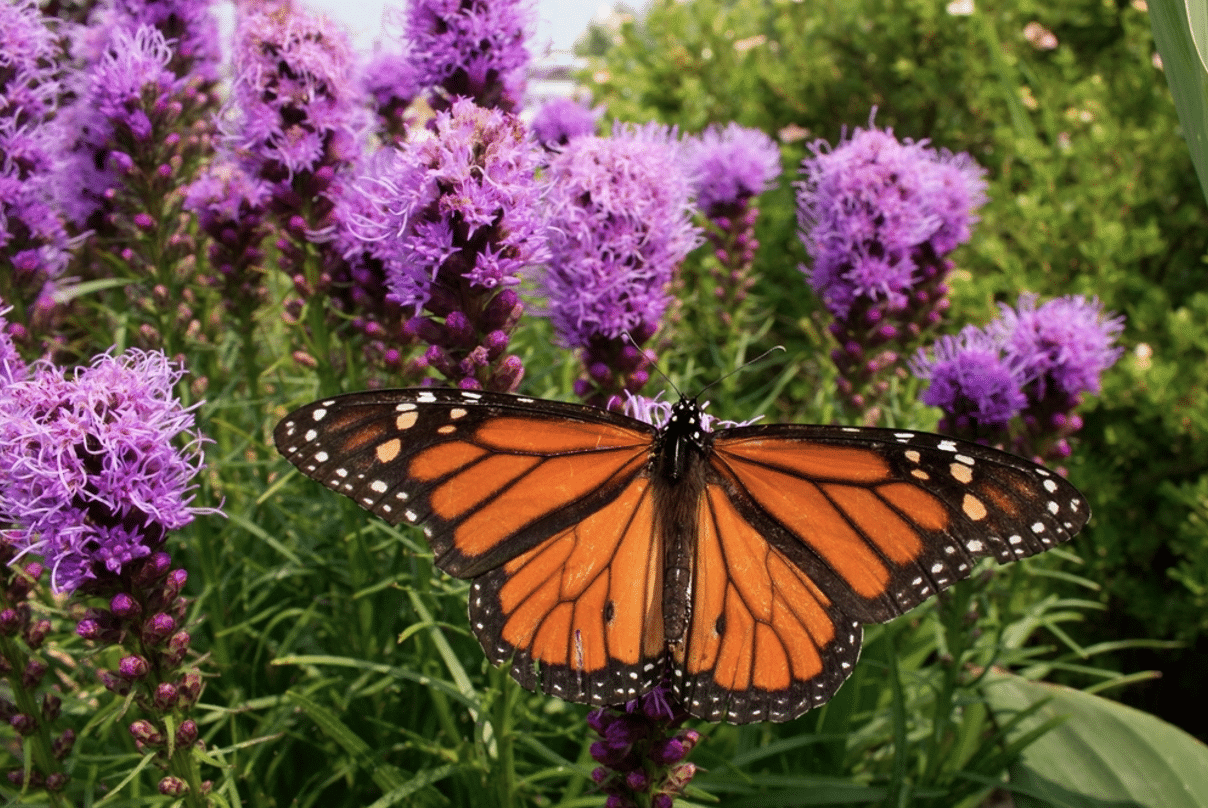
If you’re passionate about nature and want to create a thriving ecosystem right in your own backyard, you’ve come to the right place. In this article, we’ll explore the fascinating world of plants for wildlife and provide you with practical tips on how to attract various species to your garden. Let’s dive in!
Why Plants Matter for Wildlife
Plants form the foundation of any ecosystem and play a crucial role in supporting wildlife diversity. They provide food, shelter, and nesting sites for a wide range of species. By incorporating wildlife-friendly plants into your garden, you can help create a vibrant and sustainable habitat.
Choosing the Right Plants
When it comes to attracting wildlife to your garden, choosing the right plants is essential. In this section, we’ll explore the importance of native plants and the value of creating a diverse plant community. By selecting plants well-suited to your region and offering a variety of species, you’ll be laying the foundation for a thriving ecosystem right outside your door.
Native Plants
One of the most effective ways to attract wildlife is by incorporating native plants into your garden. Native plants have evolved alongside local wildlife and are well adapted to the region’s climate and soil. They provide the right kind of food sources and habitats for native animals. Consider incorporating popular native plant species such as milkweed and coneflowers.
Diversity of Plants
Creating a diverse plant community is key to attracting a variety of wildlife. Different plant types, such as trees, shrubs, flowers, and grasses, offer unique benefits for wildlife. Trees provide shelter and nesting sites, while flowers supply nectar for butterflies, bees, and hummingbirds. Select plants that flower and fruit at different times of the year to provide a continuous food source.
Providing Food for Wildlife
Food sources play a vital role in attracting and sustaining wildlife in your garden. In this section, we’ll delve into the world of nectar-rich plants that attract butterflies, bees, and hummingbirds, as well as plants that produce berries and seeds for birds and small mammals. By incorporating these plants into your garden, you’ll be providing a buffet of nutritious options for a wide range of wildlife visitors.
Nectar-Rich Plants
To attract pollinators like butterflies and bees, include nectar-rich plants in your garden. Some excellent choices include bee balm, milkweed varieties, and salvia. By ensuring a constant supply of nectar throughout the seasons, you can create a haven for these important pollinators.
Berry and Seed Producers
To attract birds and small mammals, incorporate plants that produce berries and seeds. Examples include serviceberry, elderberry, and sunflowers. By offering a variety of food sources, you can attract a diverse range of wildlife to your garden throughout the year.
Creating Shelter and Nesting Sites
Just like us, wildlife needs a place to call home. In this section, we’ll explore how trees, shrubs, and ground cover plants can provide essential shelter and nesting sites for birds, mammals, and insects. Discover the value of creating a welcoming habitat where wildlife can find safety, raise their young, and thrive in a protected environment.
Trees and Shrubs
Trees and shrubs provide vital shelter and nesting opportunities for wildlife. Consider planting species such as dogwood, hawthorn, and birch. These plants offer protective cover and nesting sites for birds, as well as shelter for other small mammals.
Ground Cover and Grasses
Low-growing plants, ground cover, and grasses create safe spaces for small mammals, reptiles, and insects. Plants like creeping thyme, sedges, and native grasses provide protective cover and attract a variety of beneficial insects.
Water Sources
Water is essential for wildlife survival, so incorporating a water source in your garden is crucial. Birdbaths, small ponds, or even a shallow dish filled with water can serve as a drinking and bathing spot for birds. Ensure the water source is clean and maintained regularly to attract a wide range of wildlife.
Sustainable Gardening Practices
In your efforts to create a wildlife-friendly garden, it’s important to adopt sustainable gardening practices. Avoid using pesticides and opt for organic methods to control pests. Conserve water by utilizing efficient irrigation systems and capturing rainwater. Encourage natural predators, such as ladybugs and birds, to control pests naturally.
It’s Time to Start Gardening for Wildlife
By implementing the ideas and suggestions shared in this article, you can transform your garden into a thriving wildlife haven. Remember, creating a wildlife-friendly space is a gradual process, and patience is key. So, roll up your sleeves, get your hands dirty, and let nature take center stage in your garden.

Angela Spearman is a journalist at EzineMark who enjoys writing about the latest trending technology and business news.
