


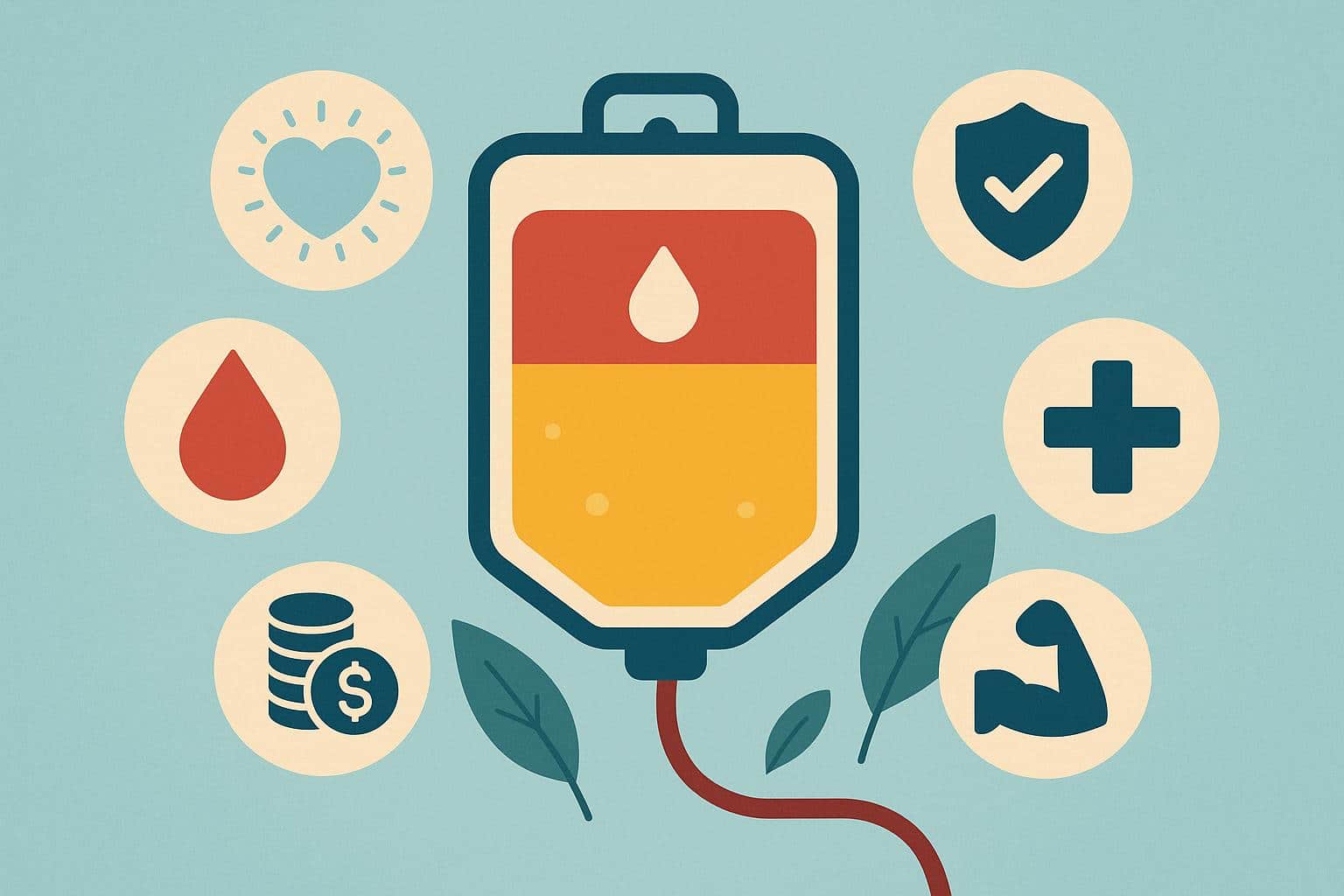
Key Takeaways
Donation of plasma provides an essential resource for producing therapies used to treat patients with immune deficiencies, bleeding disorders, and other serious medical conditions.
Donating plasma supports the healthcare system by helping maintain supplies needed for plasma-derived treatments.
Donors receive health screenings before donation, which can provide useful information about their general health and eligibility to donate.
Many plasma donation centers provide compensation, making donation a practical option for eligible individuals while contributing to patient care.
Plasma donation can encourage healthier habits, including staying hydrated, eating nutritious foods, and maintaining overall wellness.
Regular donors can experience a strong sense of community and personal satisfaction from knowing their contributions support people who depend on plasma-derived therapies.
Understanding the donation process, eligibility requirements, and preparation guidelines can help first-time donors have a safer and more comfortable experience.
Supporting Life-Saving Medical Treatments
How Donated Plasma Helps Patients
One of the most important benefits of plasma donation is its direct contribution to medical care. Plasma is the liquid component of blood and contains proteins, antibodies, clotting factors, and other substances that the body needs.
Donated plasma can be processed and used to produce therapies for people with certain immune disorders, bleeding conditions, and other serious illnesses. This means that every eligible donor has an opportunity to contribute to treatments that patients may depend on as part of their ongoing care.
Unlike ordinary blood products that may be used directly after collection, plasma can also undergo specialized processing to create medicines. This makes a consistent supply of donated plasma particularly important to the healthcare system.
Helping Maintain a Reliable Plasma Supply
The demand for plasma-derived therapies means that healthcare providers need reliable supplies from eligible donors. A steady donor population helps support the continued production of these treatments.
For patients who require plasma-derived medicines regularly, consistent donations can make an important difference. Donors therefore contribute not only to individual patients but also to the broader availability of essential medical therapies.
Receiving Health Screening Before Donation
What Happens During the Screening Process?
Another frequently overlooked benefit is the health screening that takes place before plasma collection. Donation centers typically assess whether a person meets the requirements to donate safely.
Depending on the center and applicable regulations, screening may include checking vital signs, reviewing medical history, and performing appropriate blood tests.
This process is not intended to replace regular medical care, but it provides donors with useful information about whether they currently meet donation requirements.
Encouraging Greater Awareness of Personal Health
Regular donors may become more attentive to factors that influence their eligibility and overall well-being. Staying properly hydrated, eating balanced meals, and following healthy routines can make the donation experience easier.
The screening process can therefore encourage people to pay closer attention to their health habits. However, donors should always follow the medical guidance provided by their healthcare professionals and the donation center.
Receiving Compensation While Helping Others
The Financial Benefit of Plasma Donation
Some plasma donation centers compensate eligible donors for their time and contribution. This is one reason people may choose to donate regularly.
For individuals managing tight budgets, compensation can provide additional financial flexibility. Students, part-time workers, and others looking for legitimate ways to earn supplemental income may find this aspect appealing.
However, financial compensation should not be the only consideration. Donors should first make sure they are eligible and comfortable with the process.
Combining Financial Support With Community Contribution
The unique aspect of compensated plasma donation is that donors can receive compensation while contributing to the production of medical therapies.
This creates a practical incentive for people who are already interested in helping others. Rather than viewing the process solely as a financial transaction, donors can recognize that their participation also contributes to a broader healthcare need.
Encouraging Healthier Daily Habits
Why Preparation Matters
Plasma donation requires donors to take reasonable steps to prepare for the appointment. Staying hydrated and eating an appropriate meal beforehand are common recommendations from donation centers.
These habits can encourage people to pay greater attention to their daily nutrition and fluid intake.
Before donating, individuals should follow the specific preparation instructions provided by their donation center. Requirements can vary, so it is important not to rely on generic advice alone.
Building Consistent Wellness Routines
People who donate regularly may develop routines around their appointments. This can include drinking enough fluids, eating nutritious meals, getting adequate rest, and avoiding activities that could interfere with their ability to donate safely.
These habits are beneficial beyond the donation appointment because they encourage greater awareness of basic health and wellness practices.
It is important to emphasize, however, that plasma donation should not be viewed as a medical treatment or a substitute for maintaining good health through appropriate nutrition and medical care.
Creating a Sense of Purpose and Community
The Personal Satisfaction of Helping Patients
Not every benefit of plasma donation is financial or physical. Many donors appreciate the knowledge that their contribution can support people facing serious health challenges.
Plasma-derived treatments can be important for patients who depend on them for ongoing care. Knowing that donations contribute to these treatments can give donors a meaningful sense of purpose.
For some people, this motivation becomes an important reason to continue donating when they remain eligible.
Connecting With a Community of Donors
Donation centers can also create a sense of community among people who regularly contribute. Donors may share experiences, encourage first-time participants, or simply develop a routine around helping others.
This social element can make the donation experience more meaningful. It reinforces the idea that individual contributions become part of a much larger effort to support patients and healthcare systems.
Making a Meaningful Contribution Through Regular Donation
Why Consistency Matters
A single donation can make a valuable contribution, but regular donations from eligible individuals can help maintain a more consistent supply of plasma over time.
People who continue donating must still meet all eligibility and health requirements each time they donate. Donation frequency also depends on the rules established by the relevant center and regulatory authorities.
Consistency should therefore never come at the expense of donor health. Individuals should follow the recommended schedule and speak with healthcare professionals if they have concerns.
Understanding the Broader Impact
The significance of plasma donation becomes clearer when considering the entire process. Donors provide plasma, donation centers process the collected material, and pharmaceutical manufacturers may use plasma to produce therapies for patients.
This interconnected system means an individual donor becomes one part of a larger healthcare process.
For many people, that broader impact is one of the most rewarding aspects of donating.
What to Expect During Your First Plasma Donation
Preparing Before Your Appointment
First-time donors may feel uncertain about what will happen. Preparing in advance can make the experience more comfortable.
Before visiting a donation center, eligible donors should review the center's requirements and follow its preparation instructions. Common recommendations may include:
- Staying adequately hydrated.
- Eating an appropriate meal before donating.
- Bringing required identification and documentation.
- Wearing comfortable clothing with sleeves that can be adjusted easily.
- Informing staff about relevant medical information.
Donation centers will provide specific instructions, so those guidelines should always take priority.
Understanding the Donation Process
The process generally begins with registration and eligibility screening. After the screening is completed, an eligible donor proceeds to plasma collection using specialized equipment.
During plasmapheresis, plasma is separated from other blood components, which are returned to the donor according to the procedure used by the facility.
Afterward, donors are typically advised to rest briefly, hydrate, and follow any post-donation instructions provided by staff.
Safety and Eligibility Considerations
Who Can Donate Plasma?
Eligibility requirements vary by location and donation center. Factors such as age, weight, health history, medications, travel history, and other circumstances may affect eligibility.
Potential donors should never assume they qualify based solely on general information found online. The donation center will determine eligibility through its screening process.
Why Following Donation Guidelines Matters
Plasma donation is generally conducted under controlled conditions, but donors should still take the process seriously. Following preparation and recovery instructions can help reduce discomfort and support a better donation experience.
Anyone who feels unwell before or after donating should notify donation center staff and seek appropriate medical advice when necessary.
FAQ
What is plasma donation?
Plasma donation is a process in which the liquid portion of blood is collected from an eligible donor. Specialized equipment separates plasma from other blood components during the collection process.
What is donated plasma used for?
Collected plasma can be processed to produce therapies used to treat people with certain immune deficiencies, bleeding disorders, and other medical conditions.
Is plasma donation different from whole blood donation?
Yes. Whole blood donation collects blood as a combination of components, while plasma donation specifically collects plasma and returns certain other blood components to the donor during the procedure.
Can plasma donors receive compensation?
Some donation centers compensate eligible donors for their time and contribution. The amount and terms vary by center and location.
How should I prepare for plasma donation?
Donors should follow the specific instructions provided by their donation center. Common preparation guidance may include staying hydrated, eating an appropriate meal, getting adequate rest, and bringing required identification.
How often can someone donate plasma?
The permitted frequency depends on applicable regulations and the policies of the donation center. Eligible donors should follow the schedule provided by the facility and avoid donating more frequently than allowed.
Does donating plasma improve your health?
Plasma donation should not be considered a treatment or a method of improving health. However, the required screening can provide information about whether someone currently meets donation requirements, while the preparation process may encourage healthy habits such as proper hydration.
What happens if I feel unwell after donating?
Donors should inform donation center staff if they experience symptoms during or immediately after donation. Following the center's post-donation instructions and seeking medical advice when appropriate is important.
Why is plasma donation important?
Plasma is used to produce therapies that help patients with various serious medical conditions. Regular contributions from eligible donors help support the supply needed for these treatments.
Useful Resources
- American Red Cross
- American Association of Blood Banks
- Plasma Donation Resource Center
- U.S. Food and Drug Administration
- Centers for Disease Control and Prevention
- World Health Organization
- Lifesharing: Organ and Tissue Donation
- American Society of Hematology
- Hematology News and Resources

Angela Spearman is a journalist at EzineMark who enjoys writing about the latest trending technology and business news.
