


La Wanda Moorer serves as director of human resources for Lockheed Martin Aeronautics in Fort Worth, Texas, where she is a member of the company’s Advanced Development Programs Line of Business Leadership team. La Wanda Moorer has spent nearly 30 years with Lockheed Martin, holding HR leadership roles in Maryland, Virginia, and California before relocating to Texas, and she has received the company’s Evening of Excellence Award for Leadership. She holds a juris doctor from Golden Gate University School of Law, with a specialization in labor and employment law, and an English degree from Santa Clara University, and she is a member of the State Bar of California. Outside her HR career, Moorer enjoys staying active through running and attending sporting events, interests that connect naturally to the growing world of social singing apps and virtual music communities explored below.
Singing used to be primarily a shared physical experience. People gathered in living rooms, bars, churches, or rehearsal spaces to make music together.
Technology has expanded that experience, allowing people to sing with others from virtually anywhere. Social singing apps and online music communities have transformed karaoke from a solitary pastime into an interactive social activity that can connect people who may never meet in person.
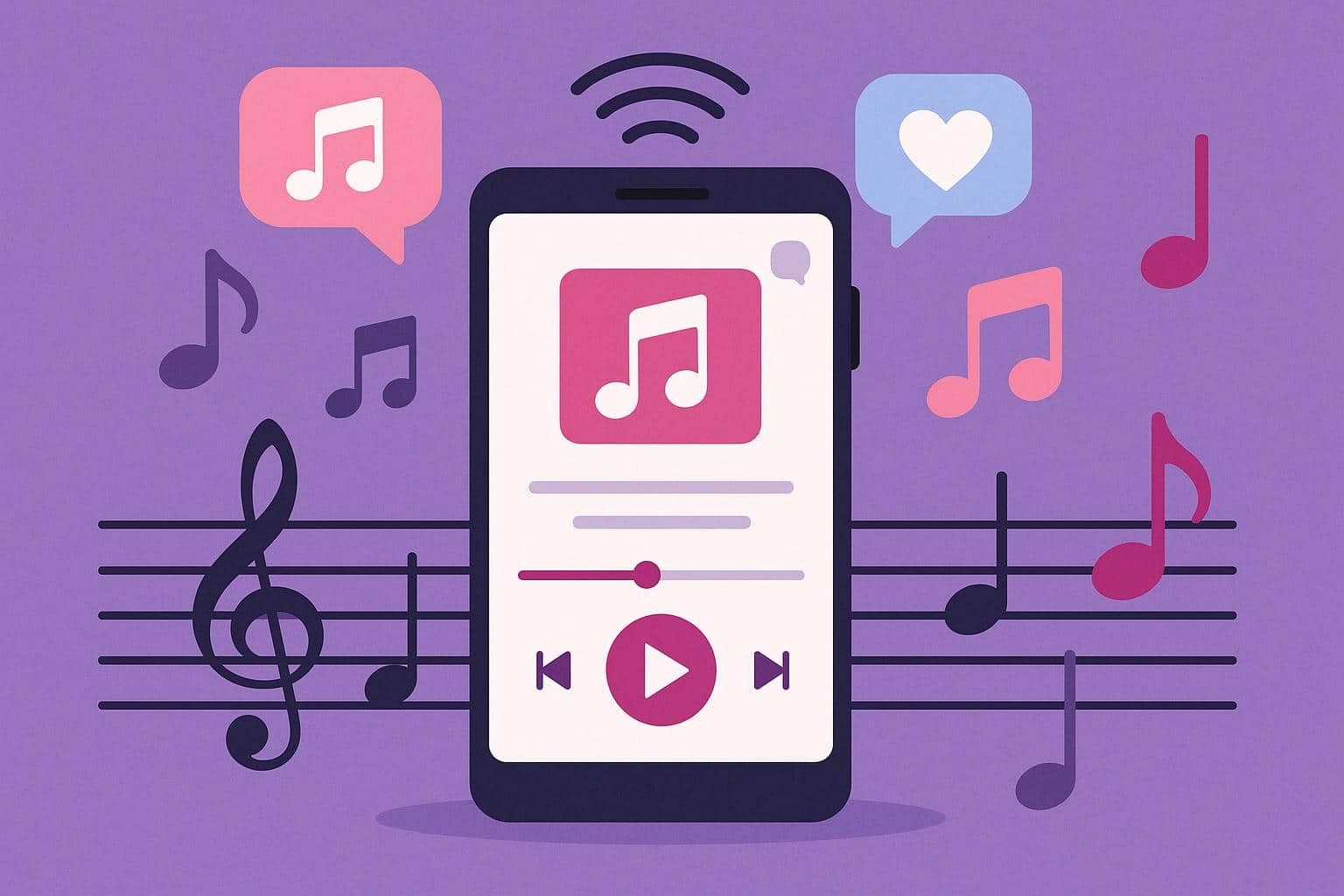
Apps such as Smule have helped drive this shift by allowing users to record performances, collaborate with other singers, and share their music within a digital community. Academic research describes these platforms as part of a broader rise in amateur music making through smartphones.
Rather than simply consuming music, users participate by creating performances and interacting with other people’s contributions.
One of the most appealing features of social singing platforms is accessibility. A person does not need to join a formal choir or find a local karaoke venue to participate.
Someone who enjoys singing as a hobby can record a song at home and potentially connect with another singer thousands of miles away. For people with busy schedules or limited access to local music groups, that convenience can make musical participation easier to maintain.
These communities can also reduce some of the pressure associated with performing. Traditional karaoke requires standing in front of a room full of people, while a social singing app allows users to choose when and how they participate.
They can experiment with different songs, collaborate remotely, or simply listen and encourage other members. For some people, that lower pressure environment can make it easier to become comfortable sharing their voice.
Technology has also changed what collaboration looks like. On some platforms, singers can create duets without being online at the same time: one person records a performance, and another adds their part later.
Researchers studying online music communities have found that these collaborative systems encourage users to build on one another’s creative work. The result is a form of musical interaction that would have been difficult to imagine before smartphones and social media.
Virtual singing communities may offer social benefits as well. A 2026 study examining online group singing found increases in positive mood and social connection among participants.
The study also found that synchronous audio—which allowed participants to hear one another in real time—produced particularly strong improvements in feelings of connection.
Still, virtual music communities do not completely replace singing together in person. Technology can create new opportunities for participation, but it cannot perfectly reproduce the energy of sharing a physical space with other performers.
Researchers have noted differences between virtual and live singing experiences, including how participants experience social presence.
The growth of social singing apps reflects a larger change in how people participate in music. Audiences are increasingly becoming creators, collaborators, and community members rather than passive listeners.
For amateur singers especially, that can make music more accessible and social. A smartphone may not replace the traditional stage, but it can provide a surprisingly powerful new place to find one.
About La Wanda Moorer
La Wanda Moorer is director of human resources for Lockheed Martin Aeronautics in Fort Worth, Texas, and a member of its Advanced Development Programs Line of Business Leadership team. Over nearly 30 years with Lockheed Martin, she has held HR leadership roles across Maryland, Virginia, and California, earning the company’s Evening of Excellence Award for Leadership. She holds a law degree from Golden Gate University School of Law and an English degree from Santa Clara University, and is a member of the State Bar of California.

Angela Spearman is a journalist at EzineMark who enjoys writing about the latest trending technology and business news.
