


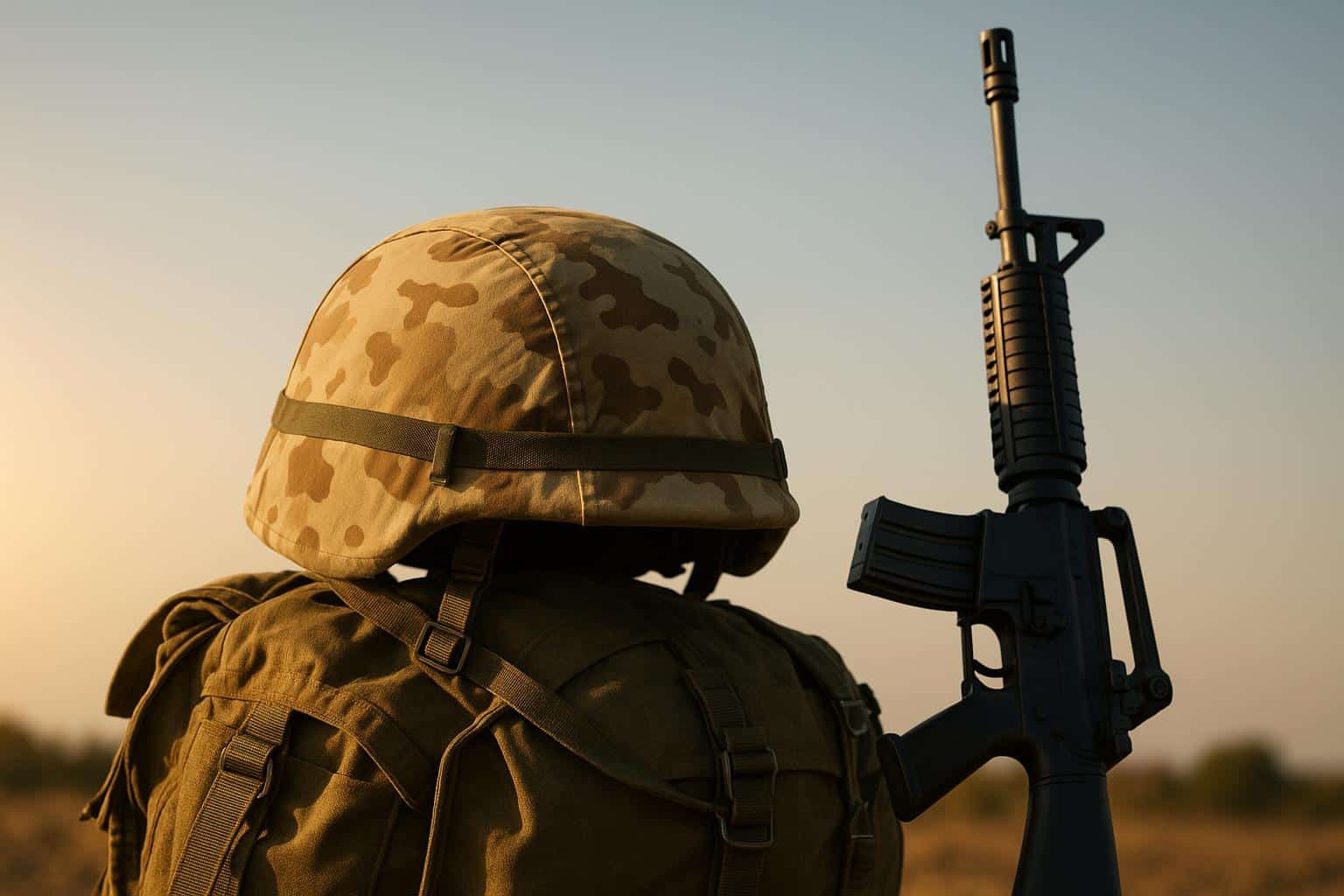
Matthew Thwaites is an analytics and marketing professional based in Austin, Texas, currently serving as director of analytics at Open Loot Studios. In this role, he oversees teams of analysts and engineers, building data pipelines that support game development and improve user engagement and conversion. His background includes leadership in performance advertising and influencer strategy at Big Time Studios, as well as expertise in machine learning, A/B testing, and business intelligence. Matthew Thwaites also brings prior experience as a US Army infantry officer, including service with Special Operations, where he contributed to high-level coordination efforts. This combination of military and professional experience reflects how structured training, discipline, and decision-making under pressure can shape leadership approaches across industries.
How Military Experience Shapes Strong Leaders
Military experience instills qualities highly valuable for leadership. Many successful leaders credit their time in the armed forces for shaping their approach to decision-making, management, and team building, as military training emphasizes the development of leadership skills essential in high-pressure environments.
These leadership qualities can manifest in practice through the principle of leading by example. A fundamental aspect of military leadership where decision-makers must model the standards they want others to follow. As a result, they must consistently show professionalism, discipline, and commitment in their actions. Embodying these values enables them to build respect and motivate their teams to mirror the same behavior. This approach is effective in other fields, where leaders who demonstrate a strong work ethic and integrity foster trust and inspire their teams to perform at a higher level.
Another leadership skill shaped by military experience is the ability to communicate clearly and effectively. In military settings, communication must be precise and direct, as it often plays a critical role in ensuring safety and mission success. Leaders must deliver clear instructions, share important updates, and maintain awareness so their teams execute tasks accurately. Its emphasis on clarity is equally valuable in other environments. Leaders who communicate goals, expectations, and feedback straightforwardly help prevent confusion and keep teams aligned. Consistent communication also strengthens collaboration and ensures everyone remains focused on shared objectives.
Military experience also develops leadership skills through adaptability and problem-solving. In the military, plans rarely unfold exactly as expected. So, personnel can adjust quickly and develop solutions in real time. The ability to respond to changing circumstances is equally important in other environments, where challenges such as new technologies, economic shifts, or unexpected disruptions require leaders to think on their feet. Adaptable, innovative leaders can guide their teams through uncertainty.
Adaptability allows leaders to empower their teams to act confidently and independently. Leaders with military experience are responsible for directing their teams and also for enabling them to make independent decisions when necessary. This approach builds trust and confidence, encouraging individuals to take initiative and contribute meaningfully to overall success. In other sectors, leaders can adopt this mindset by delegating responsibility, encouraging autonomy, and equipping their teams with the skills and resources they need. Empowered teams have more motivation, higher engagement rates, and can handle challenges.
In the military, maintaining high moral standards is essential, as leaders’ decisions directly affect their teams and mission outcomes. This same principle applies in civilian environments, where leaders must act with honesty and accountability. These practices shape the behavior of the entire organization by setting clear ethical expectations and consistently upholding them.
Strong leadership also relies on the ability to build and sustain effective teams. The military places great importance on teamwork, emphasizing trust, unity, and collaboration among its members. Leaders invest time in training and strengthening relationships within their units to ensure they perform well under pressure. Similarly, leaders in other fields can foster cohesive teams by recognizing individual strengths, encouraging collaboration, and supporting team development. This approach enhances performance and creates a more connected work environment.
Resilience is another important quality developed through military experience. Leaders remain steady under pressure, overcome setbacks, and continue guiding their teams with determination. This capability is valuable in other environments, where challenges and failures are unavoidable, helping teams stay focused, learn from difficulties, and move steadily toward long-term goals. Further, military leadership emphasizes a team-oriented approach, where success stems from a collective effort. Leaders must motivate individuals from diverse backgrounds, ensure clarity in roles, and rely on effective delegation and communication. In business settings, this concept translates into improved collaboration, stronger team management, and the ability to align employees around shared goals.
Finally, military leadership highlights the importance of putting others first. It deeply ingrains the concept of servant leadership, with leaders prioritizing their teams' well-being over their own interests. This selfless approach builds trust, loyalty, and mutual respect. Leaders in other sectors can apply this principle by actively supporting their teams, addressing their needs, and creating an environment where individuals feel valued. When leaders focus on their people, they foster a more committed and high-performing workforce.
About Matthew Thwaites
Matthew Thwaites is the director of analytics at Open Loot Studios in Austin, Texas, where he leads teams focused on data pipelines, game performance, and user engagement. His experience includes roles in marketing analytics and performance advertising, along with expertise in machine learning and testing strategies. A Yale University graduate, he later earned an MBA in statistics and data science from the University of Pennsylvania. He also served as a US Army infantry officer with Special Operations experience.

Angela Spearman is a journalist at EzineMark who enjoys writing about the latest trending technology and business news.
