


The Roadmap of Recovery: Understanding the Stages of Healing
From Shock to Reality: What Happens After a Traumatic Brain Injury
Traumatic brain injury (TBI) can shuffle the deck of life in an instant, impacting not only the individual but also their families and community. Understanding the immediate post-injury phase is crucial for grasping the entirety of the recovery journey. Following an injury, the brain can enter a state of shock, where various cognitive and physical functions may suddenly become impaired. Patients might experience confusion, memory gaps, loss of consciousness, and a spectrum of neurological symptoms, which can range from mild to severe. During this time, it is vital for caregivers and loved ones to remain vigilant and supportive, helping to transition the injured person from the disorientation of shock into the reality of their new circumstances. This transition is often facilitated by medical professionals who assess the severity of the injury through neurological examinations and imaging tests. The brain’s capacity to heal is more profound than many realize, rooted in the remarkable resilience and redundancy of neuronal systems. However, it is equally important to acknowledge the psychological component of recovering from TBI. Denial, anxiety, and depression are common emotional responses that need to be addressed promptly and effectively, marking the start of an arduous journey. Understanding and navigating these emotions is just as critical as addressing physical symptoms. The transition from shock to reality sets the stage for successful recovery and reinforces the importance of ongoing communication and empathy among all involved.
Navigating the Phases: Acute, Subacute, and Long-term Recovery
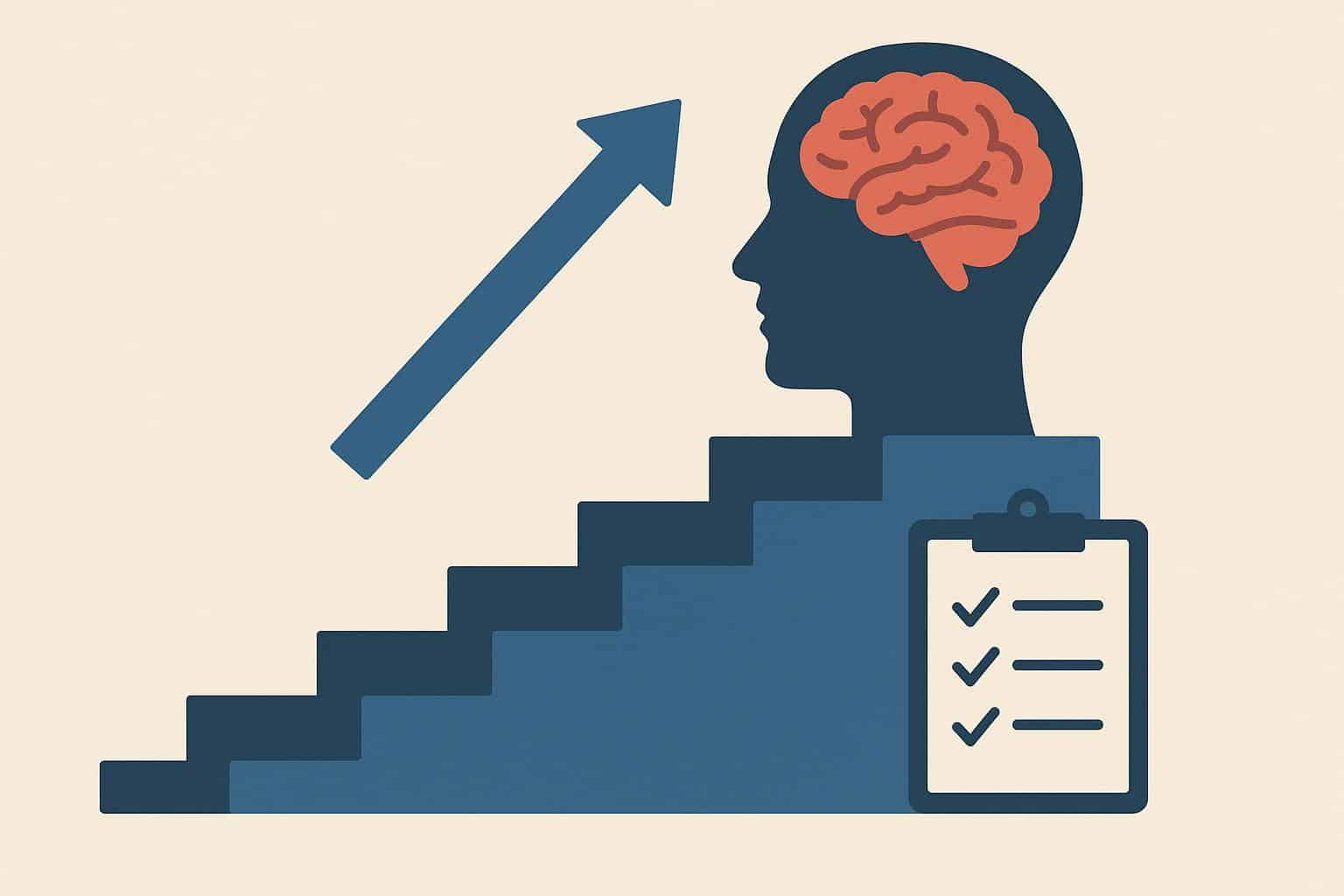
Recovery from TBI can be visualized as a multifaceted journey that spans several distinct phases: acute, subacute, and long-term recovery. The acute phase primarily occurs immediately after the injury and can last from days to weeks. During this period, medical intervention focuses on stabilizing the individual, which may include surgical procedures, medication, and close monitoring of vital signs. The aim here is to prevent further damage to the brain while addressing life-threatening conditions. Rehabilitation may also begin during this stage, with therapists helping patients regain basic functions, such as mobility and communication skills.
The subacute phase, which can range from several weeks to a few months post-injury, shifts the focus to more intensive rehabilitation therapies. Here, neuropsychologists, occupational therapists, and physical therapists collaborate to customize therapeutic interventions aimed at restoring cognitive functions and improving daily living activities. Patients might engage in speech therapy to address communication deficits or occupational therapy to develop strategies for managing everyday tasks. It is during this phase that families play a significant role in providing emotional support and encouragement, which can dramatically influence the motivation and commitment of the patient to their recovery process. Finally, long-term recovery extends over months to years. This stage is characterized by a gradual emergence of a new normal. While some individuals may regain much of their pre-injury functionality, others may face persistent challenges. Continual adaptive strategies and interventions become critical. Support groups and community resources play an essential role, offering a network of individuals who share similar experiences, empowering patients and their families to cope with new realities. Understanding these phases allows for a structured approach to recovery, helping all stakeholders navigate the journey with insight and grace.
The Science Behind Healing: Neuroplasticity and its Marvels
Neuroplasticity serves as the cornerstone of brain recovery and rehabilitation, illustrating the brain’s extraordinary ability to reorganize itself in response to injury. This remarkable adaptability enables neurons to form new connections, thereby compensating for lost functions. Neuroplasticity unfolds in two broad types: functional and structural. Functional plasticity occurs when the brain’s undamaged regions take over functions that were previously managed by the damaged areas. Structural plasticity, on the other hand, involves the brain’s physical remodeling, wherein it modifies its structure based on new experiences and learning. This biological phenomenon reassures patients and families that recovery, while arduous, is ultimately achievable.
A wealth of research supports the mechanisms through which neuroplasticity promotes healing. Enriched environments, cognitive challenges, and regular engagement in tailored physical activities can enhance neuroplasticity. For instance, introducing new skills such as learning to play a musical instrument can stimulate brain activity, fostering new synaptic connections and improving overall cognitive function. Moreover, early intervention can catalyze neuroplastic changes, suggesting that timely rehabilitation is vital to maximizing recovery potentials. Despite neuroplasticity’s promise, it is essential to remain realistic about the recovery process. Not all functions may return to baseline; some individuals may need to learn adaptive strategies for everyday tasks. Acknowledging these realities encourages a balanced perspective, focusing on gradual progress rather than fixed outcomes. As we deepen our understanding of neuroplasticity, the development of targeted therapeutic approaches becomes increasingly vital an intersection of science, creativity, and individualized care leading to innovative treatments that harness the brain’s inherent capabilities to heal.
Empowering Yourself: Essential Strategies for Active Participation
Rehabilitation 101: Finding the Right Team of Experts
Choosing the right rehabilitation team is akin to assembling a cast for an ensemble performance; each player brings unique skills and expertise that contribute to a holistic healing process. In the context of traumatic brain injury recovery, an effective rehabilitative approach requires close collaboration among a diverse group of professionals, including neurologists, physical therapists, occupational therapists, speech-language pathologists, neuropsychologists, and mental health specialists. Each expert plays a distinct role in addressing the many facets of recovery, ensuring that interventions are well-rounded and responsive to individual needs.
Identifying a comprehensive rehabilitation program begins with a thorough assessment of the injured individual’s goals, challenges, and personal circumstances. Ideally, rehabilitation should extend beyond clinical settings and be reinforced through meaningful relationships and consistent communication among care providers. This underscores the value of building a cohesive support network where concerns, preferences, and progress are shared through both formal discussions and everyday interactions. An engaged patient becomes an active partner in traumatic brain injury recovery, taking ownership of their progress alongside the care team, which often leads to better outcomes. Additionally, working with specialists who have direct experience treating brain injuries can greatly influence the recovery process. These professionals understand the evolving nature of neurological healing and can tailor interventions to meet changing needs. Their specialized expertise helps refine therapeutic strategies, filling in critical gaps and strengthening the overall recovery plan. Finally, connecting with organizations and support networks focused on brain injury can offer valuable education, resources, and a sense of community, enhancing the rehabilitation journey through shared knowledge and lived experience.
Building Your Toolkit: Cognitive and Physical Therapies Explained
Recovery from TBI necessitates a multifaceted approach that incorporates both cognitive and physical therapies, engaging the body and mind in concert to optimize rehabilitation outcomes. Cognitive therapies are designed to address impairments in areas such as memory, attention, and executive functions, all of which can be severely impacted following a brain injury. Approaches like cognitive rehabilitation therapy (CRT) utilize techniques derived from psychotherapeutic principles aimed at re-engaging cognitive capacities through structured exercises and tasks. This therapy often involves functional tasks that mimic real-life scenarios to facilitate learning and adaptation gradually.
On the other hand, physical therapy focuses on restoring mobility, strength, and coordination. This component of rehabilitation often involves carefully tailored exercise regimens, balancing strength training with aerobic conditioning to foster improved endurance and overall physical health. Specialized therapists can employ various techniques, ranging from traditional rehabilitation exercises to innovative methods such as neuro-motor training, which emphasizes retraining the brain to control movements more effectively. Incorporating adaptive technologies into therapy such as virtual reality and cognitive training games can also enhance engagement and motivation, making rehabilitation enjoyable while providing cognitive challenges. Understanding the integration of both cognitive and physical therapies is essential in developing a well-rounded rehabilitation plan, nurturing the mind-body connection essential for holistic healing. Patients should remain proactive, working alongside their therapists to establish achievable goals and monitoring progress, celebrating milestones no matter how small, as they forge their paths toward recovery.
Goal Setting and Mindset: Staying Motivated Through Challenges
The process of recovery from TBI is marked by numerous challenges, with motivation acting as a cornerstone in enduring the tumultuous journey ahead. A strong, growth-oriented mindset fosters resilience and determination, essential qualities that enable individuals to overcome physical and cognitive hurdles. Engaging in goal-setting practices establishes a sense of purpose, symbolizing smaller milestones that lead to the larger goal of recovery. Setting SMART (Specific, Measurable, Achievable, Relevant, Time-bound) goals can clarify objectives, resulting in a structured pathway that compels the individual forward, even in the face of adversity.
Moreover, at the core of maintaining motivation lies the importance of self-advocacy. Each patient must become an active participant in their rehabilitation, taking charge of their recovery process by voicing their thoughts, feelings, and desires regarding treatment plans. This agency builds a sense of empowerment and prevents feelings of helplessness, fostering a positive outlook. Self-advocacy can also translate into seeking out additional resources, engaging in support groups, or collaborating with other survivors to exchange stories and strategies. Regularly reflecting on one’s recovery journey recognizing setbacks and celebrating progress fuels intrinsic motivation, propelling individuals toward continued growth and achievement. A positive mindset can directly influence biological processes as well. Studies have indicated that optimism and resilience can boost recovery rates, potentially affecting neuroplasticity and the effectiveness of therapeutic interventions. Approaching rehabilitation challenges with an optimistic perspective encourages individuals to perceive obstacles not as roadblocks but rather as opportunities for learning and growth. Alongside a supportive environment including family, friends, and healthcare professionals creating an atmosphere that cultivates positivity ultimately advances the likelihood of success throughout the recovery journey.
Nourishing the Brain: Dietary Choices that Make a Difference
Foods that Fuel Recovery: Superfoods for Brain Health
Diet plays a pivotal role in the recovery from TBI, as the brain requires a plethora of nutrients to repair itself and sustain optimal function. Advances in nutritional science have illuminated various dietary components of superfoods that can bolster brain health during recovery. Omega-3 fatty acids, commonly found in fatty fish like salmon, flaxseeds, and walnuts, are renowned for their anti-inflammatory properties and their ability to promote neurogenesis, the growth of new neurons. These essential fats contribute to improved neurotransmitter function, supporting communication between neurons.
Antioxidants also emerge as crucial allies in the healing process, with foods such as berries, dark chocolate, spinach, and kale demonstrating the capacity to combat oxidative stress and inflammation, two significant contributors to brain injury progression. Incorporating a diverse array of colorful fruits and vegetables not only provides the necessary vitamins and minerals but also enhances overall vitality and well-being during rehabilitation. Additionally, complex carbohydrates found in whole grains, legumes, and sweet potatoes supply the brain with a steady stream of energy, essential for cognitive functions and recovery efforts. Hydration should not be overlooked either; the brain is composed of nearly 75% water, and even mild dehydration can adversely impact cognitive performance. Consuming adequate fluids primarily water supports optimal brain function, influencing everything from concentration to mood. An awareness of the relationship between nutrition and recovery underscores the importance of fortifying the body with nourishing foods, empowering individuals to take charge of their health and recovery.
The Role of Supplements: What Can Help and What to Avoid
In the landscape of TBI recovery, dietary supplements can offer a supportive adjunct to a well-balanced diet, as certain supplements may further enhance neuroprotection and cognitive rehabilitation. However, the decision to incorporate any supplement into one’s recovery plan should be approached with caution, ideally under the guidance of healthcare professionals. Neuroprotective substances such as curcumin, derived from turmeric, exhibit promise in reducing neuroinflammation, while specific vitamins, including B-complex vitamins, Amazonian botanicals, and even some amino acids, have been associated with enhanced cognitive performance and mood stabilization.
Nonetheless, while exploring the potential benefits of supplementation, it is vital to be aware of the risks involved. A few supplements can interact with prescribed medications or lead to adverse side effects, emphasizing the need for thorough discussions with healthcare providers. Moreover, excessive intake of specific vitamins and minerals can result in toxicity, which can ultimately hinder recovery rather than promote it. A well-informed balance between whole foods and targeted supplementation can yield optimal results, arming the recovering brain with the nutrients it craves while sidestepping the pitfalls associated with unregulated supplement use.
Hydration Matters: The Science of Water and Brain Function
Hydration is often an overlooked component of brain health and recovery from TBI, yet it holds immense importance in sustaining cognitive function and promoting overall wellness. The brain requires a continuous supply of water to maintain its complex biochemical processes, which include neurotransmitter synthesis and the removal of metabolic waste products. Dehydration can lead to cognitive decline, mood disturbances, and impaired physical functioning, exacerbating the challenging experience of TBI recovery.
Maintaining proper hydration levels not only ensures optimal brain performance but also plays a role in tissue repair and recovery. Water assists in delivering essential nutrients throughout the body, encouraging circulation and oxygenation of brain cells. Furthermore, studies have demonstrated that even mild dehydration can result in diminished cognitive performance, affecting memory, attention, and critical thinking abilities. As such, fostering a routine that prioritizes adequate fluid intake aiming for at least eight glasses of water daily can enhance overall cognitive function and, in the context of TBI, support the multifarious pathways to recovery.
Beyond Recovery: Embracing Your New Normal
Reintegrating into Life: Navigating Relationships Post-Injury
Returning to one’s daily routines and re-establishing relationships post-TBI embodies an intricate transition one that necessitates patience, understanding, and diligent effort. Often, individuals may find that their perspectives, priorities, and even personalities have shifted following their injuries. Navigating these changes while fostering healthy relationships is pivotal to the completion of the recovery journey. Open communication is essential; patients must feel comfortable expressing their needs and limitations to their loved ones, while family and friends should be attuned to the potential alterations in dynamics and provide support without judgment.
Additionally, social reintegration can involve developing new social networks, as existing relationships may require adjustment, or recovery may require new connections with those who understand the challenges faced. Support groups can be an invaluable resource here, as connecting with others who have navigated similar experiences can foster a sense of belonging, empathy, and shared understanding. Conversely, it’s equally important to give relationships room to evolve naturally over time, allowing for the opportunity to redefine bonds and expectations as both the patient and their loved ones adapt to the ‘new normal.’ Embracing an open dialogue can ultimately lay the groundwork for healthier communication patterns, fostering understanding and resilience on both ends.
Finding Joy in Small Victories: Celebrating Milestones
In the shadow of trauma, recognizing and celebrating small victories becomes a cornerstone of recovery. Each step forward, no matter how minor, represents an achievement in the healing journey. These milestones, whether it’s regaining the ability to perform simple tasks, resuming social interactions, or building greater independence, serve as sources of motivation that can propel individuals forward. Keeping a journal or utilizing digital platforms to record daily progress can encourage positivity and reflection, helping to normalize the emotional experience while providing an ongoing testament to growth.
Moreover, involving family members and friends in celebrating milestones can create shared moments of recognition, strengthening relationships and fostering an environment of support. Organizing informal gatherings or small celebrations like marking the first day back to a favorite hobby or the completion of a therapy session creates joy and reminds individuals that recovery, while demanding, is equally filled with chances for celebration. Cultivating an ethos of gratitude deepens the appreciation of progress and resilience, weaving meaning into the fabric of every step taken along the path toward full recovery.
Advocacy and Awareness: Shaping a Better Future for Others
Embarking on recovery from TBI does not merely conclude with personal growth; it often propels individuals into the realm of advocacy, emerging as voices for change in the broader landscape of brain health awareness. Individuals who have experienced the nuances of traumatic brain injury firsthand possess a profound wisdom that can reshape societal understanding and influence policy-making outcomes. Engaging in local or national advocacy efforts can drive essential conversations, educate the public, and promote an empathetic response to the challenges faced by those living with TBI.
Opportunities abound for former patients to contribute; volunteering for non-profits dedicated to brain injury awareness, sharing personal recovery journeys, or participating in community events can amplify the cause, honor the challenges endured, and foster a culture of support and empathy. As knowledge spreads, misconceptions surrounding TBI may diminish, leading to greater societal acknowledgement, improved treatment options, and enhanced resources for those affected. The act of advocacy empowers not only the individual but also the community, creating a collective movement toward a better future where awareness and compassion drive treatment and rehabilitation efforts. Ultimately, weaving a sense of purpose and community involvement into the tapestry of recovery fosters both personal healing and societal change, transcending individual sorrow to inspire collective resilience.

Angela Spearman is a journalist at EzineMark who enjoys writing about the latest trending technology and business news.
