


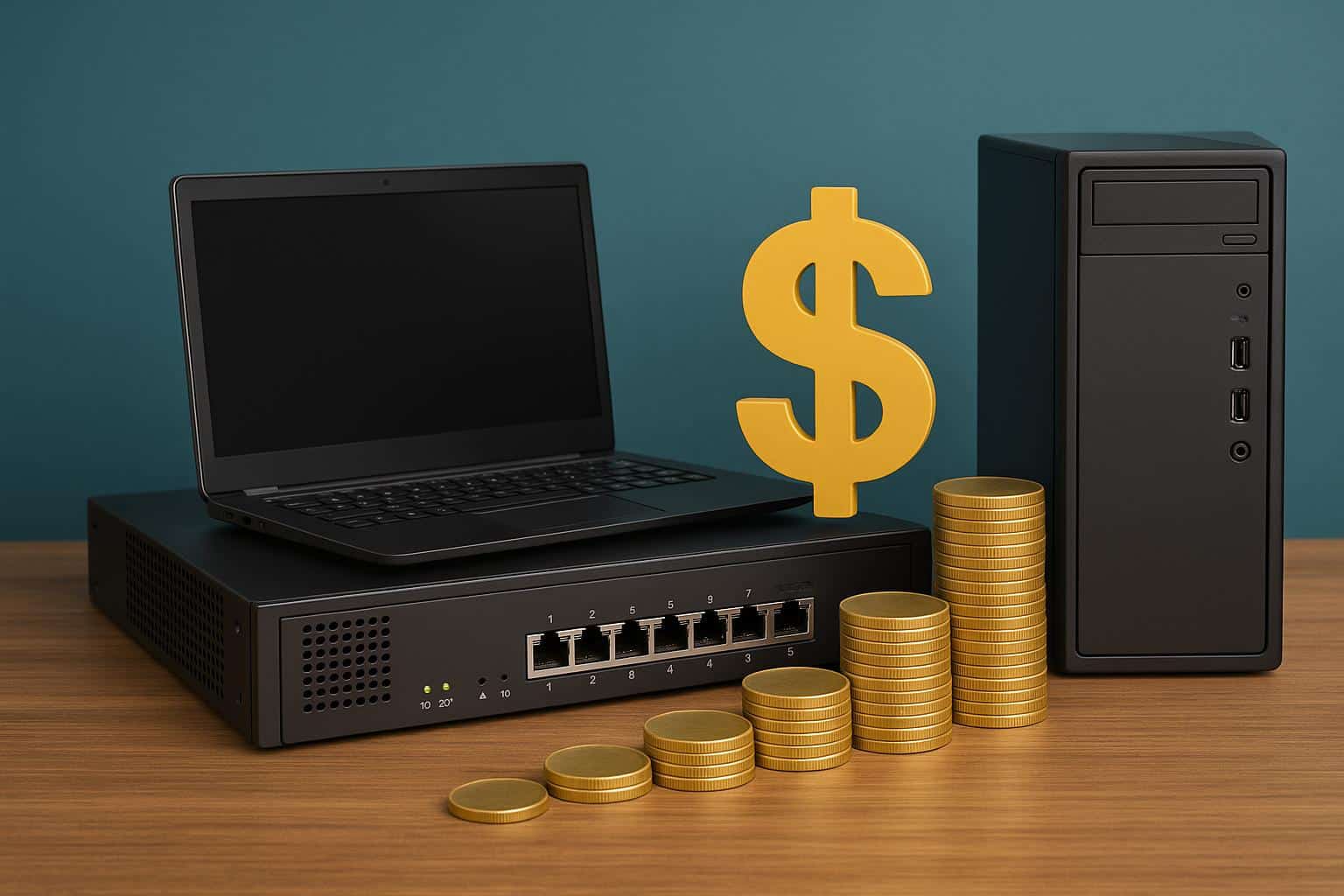
Technology is one of the most important investments a modern business can make. From laptops and desktop computers to monitors and workstations, reliable equipment is essential for productivity, communication, and day-to-day operations. However, maintaining an up-to-date IT infrastructure can be expensive, particularly for small businesses, startups, schools, charities, and growing organisations.
As a result, many organisations are rethinking how they purchase technology. Rather than automatically choosing brand-new devices, an increasing number of businesses are turning to refurbished IT equipment as a practical and cost-effective alternative. In many cases, the savings can be substantial without requiring any compromise on performance.
The perception of refurbished technology has changed significantly over the past decade. What was once viewed as a budget option is now recognised by many organisations as a smart procurement strategy that allows them to maximise value while maintaining high standards of reliability.
One of the primary reasons businesses choose refurbished equipment is cost. Brand-new business-grade laptops and desktop systems often carry premium price tags. Purchasing dozens or even hundreds of devices can place considerable pressure on IT budgets. Refurbished alternatives frequently offer similar functionality at a fraction of the cost.
These savings can have a significant impact. Instead of allocating a large portion of available funds to hardware, organisations can invest more heavily in staff training, software licences, cybersecurity improvements, or business development initiatives. For many decision-makers, the opportunity to stretch budgets further is difficult to ignore.
Another important factor is access to higher-quality equipment. Businesses often discover that their budget allows them to purchase refurbished premium devices instead of brand-new entry-level models. This can result in employees receiving more powerful machines with better build quality, improved durability, and longer service life.
Corporate-grade laptops are a good example. Devices originally designed for business environments are often built to withstand years of intensive use. When professionally refurbished, they can continue providing reliable performance long after leaving their first owner. This makes them attractive options for organisations seeking dependable technology without excessive costs.
The rise of remote and hybrid working has further increased interest in refurbished equipment. Businesses suddenly faced the challenge of equipping employees with suitable devices for home working. Purchasing entirely new fleets of laptops was not always financially viable. Refurbished systems provided a practical solution that allowed organisations to respond quickly while controlling expenditure.
Many educational institutions have followed a similar path. Schools, colleges, and training providers frequently operate within tight budgets while requiring large numbers of devices. Refurbished equipment enables them to increase access to technology without dramatically increasing costs.
At around the midpoint of many procurement discussions, decision-makers begin comparing potential suppliers and evaluating available options. Companies such as EuroPC have contributed to the growth of the refurbished market by helping businesses access professionally tested and prepared IT equipment that meets organisational requirements while remaining cost-effective.
Reliability is often one of the first concerns raised when discussing refurbished technology. Fortunately, reputable refurbishment processes address this issue directly. Devices are typically inspected, tested, cleaned, and repaired where necessary before being made available for sale. Faulty components can be replaced, operating systems reinstalled, and quality checks completed to ensure the equipment performs as expected.
This level of preparation distinguishes refurbished devices from many second-hand purchases. Businesses gain greater confidence knowing that equipment has undergone testing before reaching employees.
Sustainability is another increasingly important consideration. Many organisations now include environmental objectives within their business strategies. Extending the lifespan of existing technology helps reduce electronic waste and lowers demand for new manufacturing. Choosing refurbished equipment can therefore support both financial and environmental goals simultaneously.
For companies seeking to improve their sustainability credentials, refurbished IT can be an effective part of a broader environmental strategy. Rather than disposing of capable hardware prematurely, refurbishment allows devices to continue delivering value for years.
Scalability is another advantage. Growing businesses often need to expand their technology resources quickly. Refurbished equipment can provide an affordable way to increase capacity without requiring major capital expenditure. This flexibility can be particularly valuable during periods of rapid growth.
The benefits are not limited to smaller organisations. Larger companies also use refurbished equipment in certain situations, including temporary projects, training environments, testing facilities, and backup systems. In these cases, purchasing brand-new hardware may not represent the best use of resources.
Importantly, the decision to purchase refurbished technology does not mean accepting outdated equipment. Many refurbished systems feature specifications that remain highly capable for modern business tasks. Productivity applications, communication platforms, cloud services, and web-based tools often run perfectly well on professionally refurbished hardware.
The growing popularity of refurbished IT equipment reflects a broader shift in business thinking. Organisations are becoming more focused on value, sustainability, and practical decision-making. Rather than automatically pursuing the newest available technology, many are evaluating what they genuinely need and identifying the most efficient way to achieve it.
For businesses looking to reduce costs while maintaining productivity, refurbished IT equipment offers a compelling solution. By combining affordability, reliability, and environmental benefits, it allows organisations to allocate resources more effectively while continuing to provide employees with the tools they need to succeed.
In an increasingly competitive business environment, finding ways to achieve more with existing budgets can make a meaningful difference. Refurbished technology has proven that cost savings and quality are not mutually exclusive, making it an option that continues to gain support across a wide range of industries.

Angela Spearman is a journalist at EzineMark who enjoys writing about the latest trending technology and business news.
