


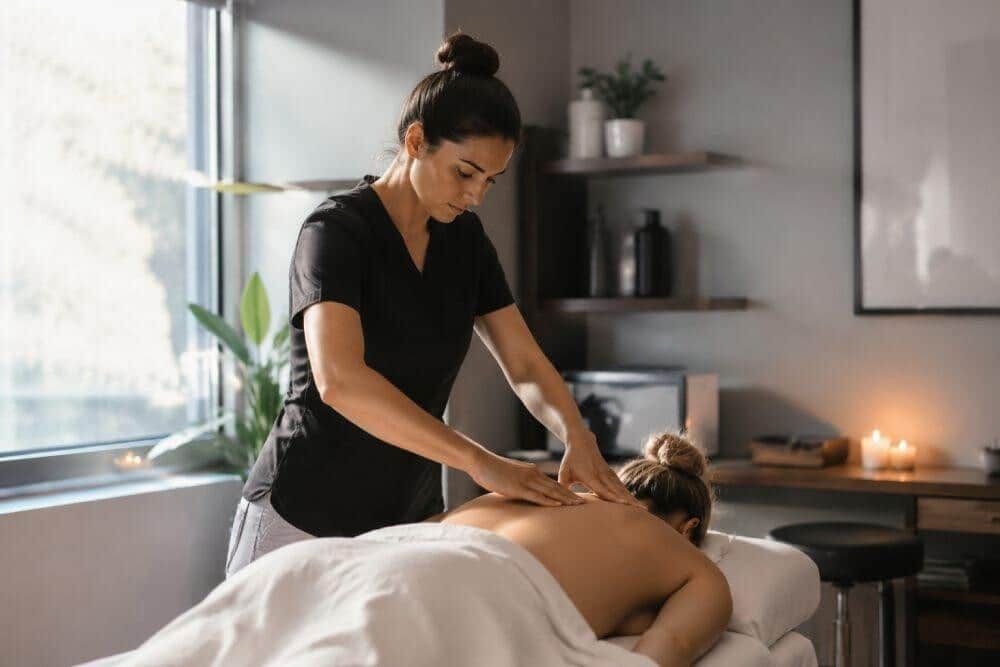
For many years, massage therapy was mainly associated with relaxation, luxury spas, and personal wellness. However, the role of massage has changed significantly in recent years. Today, more people recognize massage therapy as a valuable part of healthcare that can support recovery, reduce discomfort, and improve overall well-being.
Modern healthcare is no longer focused only on treating diseases after they appear. Many healthcare professionals now emphasize prevention, rehabilitation, stress management, and improving quality of life. As a result, therapies that support both physical and mental health are becoming increasingly important.
Massage therapy is one of the fields benefiting from this shift. With proper education and professional training, massage therapists are becoming valuable members of healthcare teams that help patients manage pain, recover from injuries, and maintain healthier lifestyles.
The Changing Perception of Massage Therapy
In the past, many people viewed massage as something done only for relaxation. While relaxation is still one of the benefits of massage, modern healthcare has expanded the way this practice is understood.
Professional massage therapists use specialized techniques to work with muscles, soft tissues, and areas affected by tension or discomfort. Their work can complement other healthcare approaches, including physical therapy, rehabilitation programs, and wellness plans.
Hospitals, rehabilitation centers, and healthcare clinics are increasingly exploring ways to include supportive therapies as part of patient care. This reflects a broader movement toward treating the whole person rather than focusing only on individual symptoms.
How Massage Therapy Supports Patient Wellness
One of the main reasons massage therapy is becoming more accepted in healthcare is its ability to support multiple aspects of wellness.
Helping Manage Muscle Tension and Discomfort
Many people experience muscle tightness due to daily activities, physical work, exercise, or long periods of sitting. Massage therapy can help relax tense muscles and improve comfort.
For individuals recovering from injuries or dealing with certain physical challenges, massage may become one part of a larger recovery plan designed by healthcare professionals.
Supporting Stress Reduction
Stress has become one of the biggest health concerns in modern life. Work pressure, busy schedules, and lifestyle changes can affect both mental and physical health.
Massage therapy may help people relax and create a sense of calm. By reducing physical tension, many individuals report feeling more comfortable and refreshed after professional massage sessions.
Improving Mobility and Recovery
Movement plays an important role in maintaining health. Tight muscles and physical discomfort can make everyday activities more difficult.
Massage therapists often work with clients who want to improve flexibility, support recovery after physical activity, or maintain better body function. When combined with appropriate medical guidance, massage therapy can become a useful addition to recovery programs.
The Growing Need for Skilled Healthcare Professionals
As healthcare continues to evolve, the demand for professionals who can provide specialized support services is also increasing.
Massage therapists are becoming part of a wider healthcare workforce that includes physical therapists, nurses, medical assistants, and other specialists. These professionals help create a more complete approach to patient care.
However, becoming a qualified massage therapist requires proper education and hands-on training. Many people who are interested in this career want to understand the educational process, including how long does it take to become a massage therapist and what skills are needed before entering the profession.
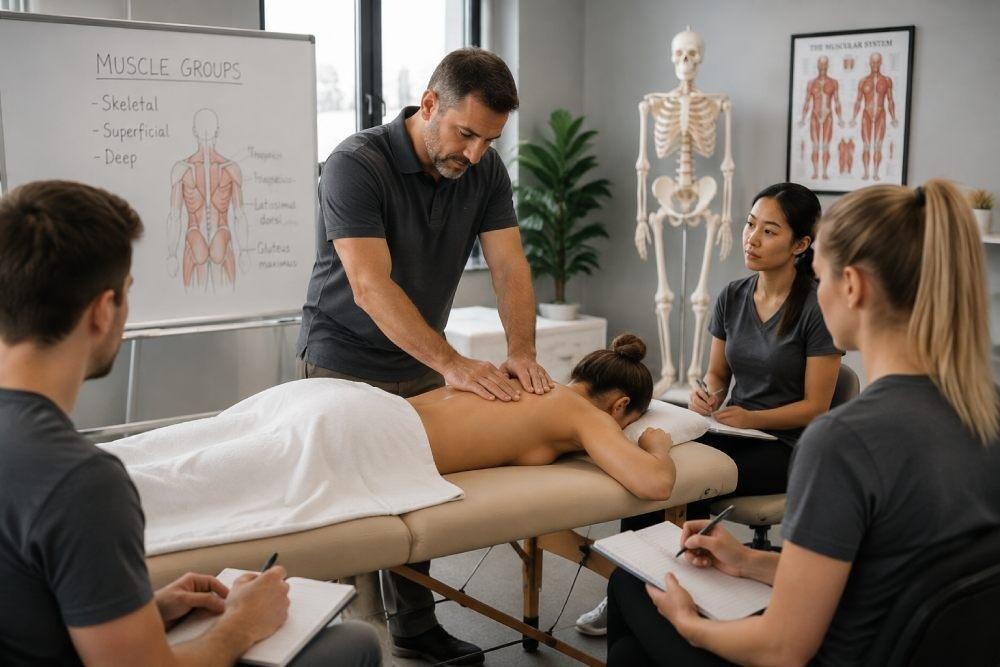
Professional training helps future massage therapists understand anatomy, safety practices, communication skills, and different massage techniques. This knowledge allows them to provide better care and work effectively alongside other healthcare providers.
Why More People Are Considering Massage Therapy Careers
Healthcare careers are often attractive because they allow professionals to make a direct difference in people’s lives. Massage therapy provides an opportunity to build meaningful relationships with clients while helping them improve their comfort and wellness.
Another reason this career path is gaining attention is the variety of environments where massage therapists can work. Depending on their education and experience, professionals may find opportunities in:
- Healthcare clinics
- Rehabilitation centers
- Wellness facilities
- Sports organizations
- Private practices
- Fitness and health centers
This flexibility makes massage therapy appealing to people who want a healthcare-related career with different professional possibilities.
The Importance of Professional Training and Knowledge
Although massage therapy may appear simple from the outside, professional practice requires a strong understanding of the human body.
A trained massage therapist needs to understand muscle groups, body movement, client safety, and appropriate techniques for different situations. Without proper education, massage may not provide the expected benefits and could potentially create risks for certain individuals.
That is why choosing a qualified professional is an important step for anyone considering massage therapy services. Training, certification, and practical experience help ensure that clients receive safe and effective care.
The Future of Massage Therapy in Healthcare
The healthcare industry continues to move toward more personalized and comprehensive care. Patients are looking for solutions that address not only medical conditions but also comfort, stress, mobility, and overall quality of life.
Massage therapy fits into this changing healthcare landscape because it focuses on supporting the body and helping individuals feel better through professional techniques.
While massage therapy does not replace medical treatment, it can work alongside traditional healthcare approaches to provide additional support. As more healthcare providers recognize the value of integrated care, the role of massage therapists is likely to continue growing.
Final Thoughts
Massage therapy has evolved far beyond its traditional image as a luxury service. Today, it is becoming an important part of modern healthcare by supporting pain management, relaxation, recovery, and overall wellness.
For individuals interested in healthcare careers, massage therapy offers an opportunity to combine professional skills with meaningful patient interaction. As the demand for holistic and supportive healthcare services continues to grow, trained massage therapists will remain an important part of the future healthcare system.

Angela Spearman is a journalist at EzineMark who enjoys writing about the latest trending technology and business news.
