


Jordan Harris is a field services engineer based in Portland, Oregon, with a professional background in laboratory systems, biological sciences, and environmental compliance. With more than eight years at Astoria Pacific, Jordan Harris worked extensively in installing, maintaining, and optimizing analytical instrumentation, supporting both domestic and international projects, including disease screening initiatives. Earlier in his career, he served as a laboratory manager at Pace Analytical, where he oversaw biology and chemistry lab operations and implemented workflow improvements. His scientific training and hands-on experience in environmental and biological systems provide a practical foundation for understanding topics like mushroom foraging, which require careful observation, attention to detail, and respect for natural ecosystems.
A Practical Introduction to Safe Mushroom Foraging
Foraging for wild mushrooms has grown in popularity as more people seek to connect with nature, explore local ecosystems, and discover unique ingredients. While mushroom hunting can be rewarding, it also requires careful attention to safety and identification. Unlike many plants, some mushrooms are highly toxic and can closely resemble edible varieties, making knowledge and caution essential for beginners.
Mushrooms are the visible fruiting bodies of fungi, a diverse group of organisms that play a vital role in ecosystems. They help break down organic matter, recycle nutrients, and form symbiotic relationships with plants. Because of this ecological role, mushrooms can be found in a wide range of environments, including forests, grasslands, and even urban areas.
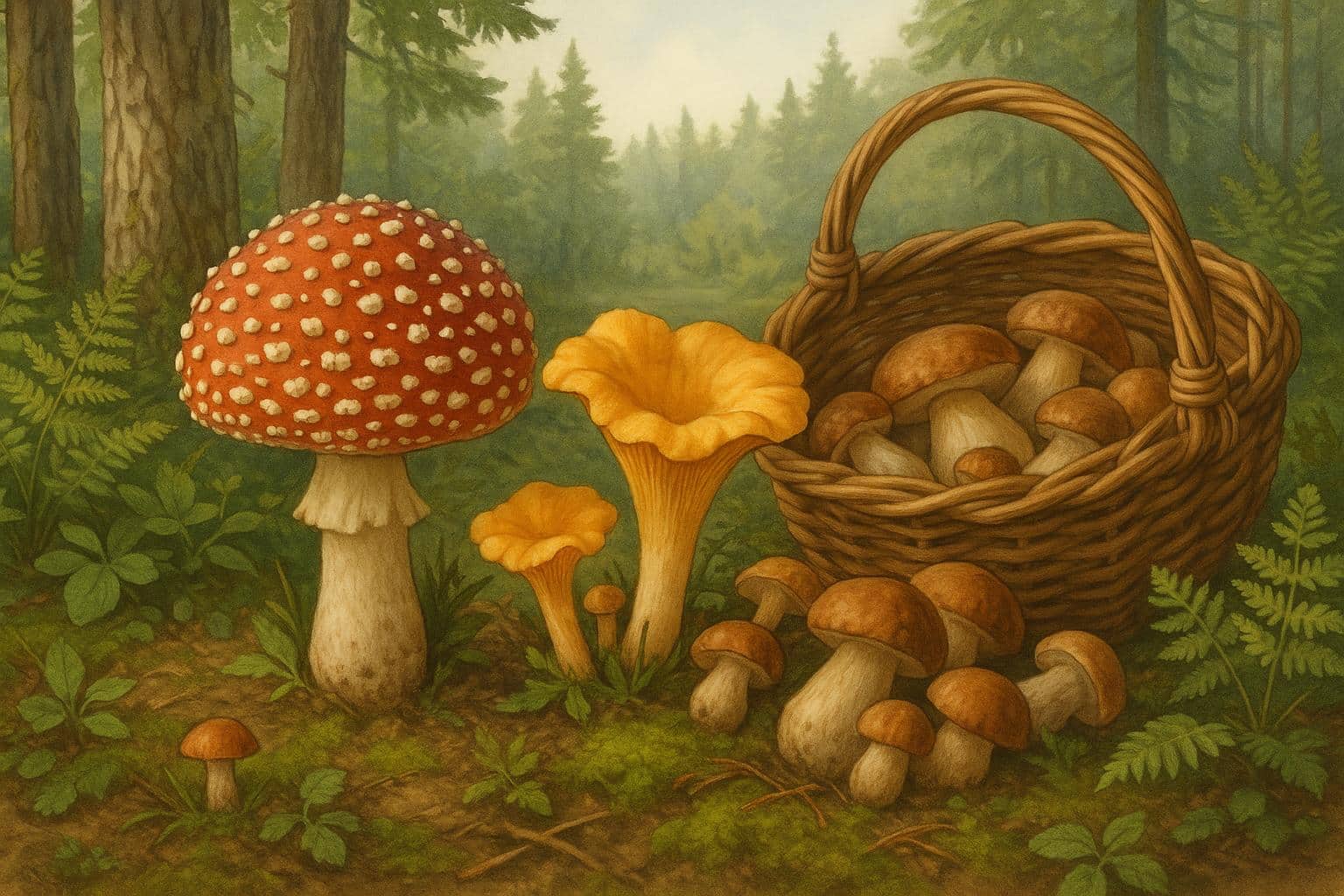
The most important rule for anyone new to foraging is simple: never eat a mushroom unless it has been positively identified as safe by an expert. Many poisonous mushrooms closely resemble edible ones, and misidentification can lead to serious illness or even death. For example, certain species of the genus Amanita contain toxins that can cause liver failure, yet they can look similar to harmless varieties.
Learning to identify mushrooms involves observing several key features. These include the shape and color of the cap, the structure underneath the cap (such as gills, pores, or ridges), the appearance of the stem, and any distinctive odors or color changes when the mushroom is handled. Spore prints, created by placing a mushroom cap on paper to collect falling spores, can also help distinguish between species.
Habitat is another important clue. Many mushrooms grow in specific environments or in association with certain trees. For example, some edible species are commonly found near hardwoods, while others prefer conifer forests. Paying attention to where a mushroom grows can help narrow down identification, but it should never be the only factor considered.
Beginners are often encouraged to start with a small number of well-known, easily identifiable edible mushrooms. Examples include morels and chanterelles, which have distinctive features that make them easier to recognize compared to more ambiguous species. However, even these should be approached with care, as look-alike species do exist. Using a reliable field guide and cross-referencing multiple sources is essential.
In addition to identification, safe foraging practices include collecting only fresh, undamaged specimens and avoiding areas that may be contaminated, such as roadsides or industrial sites. Mushrooms can absorb pollutants from their surroundings, making location an important consideration. It is also recommended to keep different species separated during collection to prevent accidental mixing.
Joining local mycology clubs or foraging groups can be one of the best ways to learn. Experienced foragers can provide hands-on guidance, helping beginners build confidence and avoid common mistakes. Many organizations also host guided walks and educational events that focus on safe identification and ecological awareness.
Foraging for mushrooms combines science, observation, and outdoor exploration. With patience and proper education, it can become a safe and enriching activity. By respecting the complexity of fungi and prioritizing accurate identification, beginners can enjoy the experience while minimizing risk.
About Jordan Harris
Jordan Harris is a Portland, Oregon-based field services engineer with extensive experience in laboratory instrumentation and operations. He has worked with Astoria Pacific and Pace Analytical, focusing on system optimization, compliance, and workflow management. Harris holds a biological sciences degree from Wright State University and maintains professional affiliations with environmental organizations. His background includes international project support and certifications in environmental and safety standards.

Angela Spearman is a journalist at EzineMark who enjoys writing about the latest trending technology and business news.
