


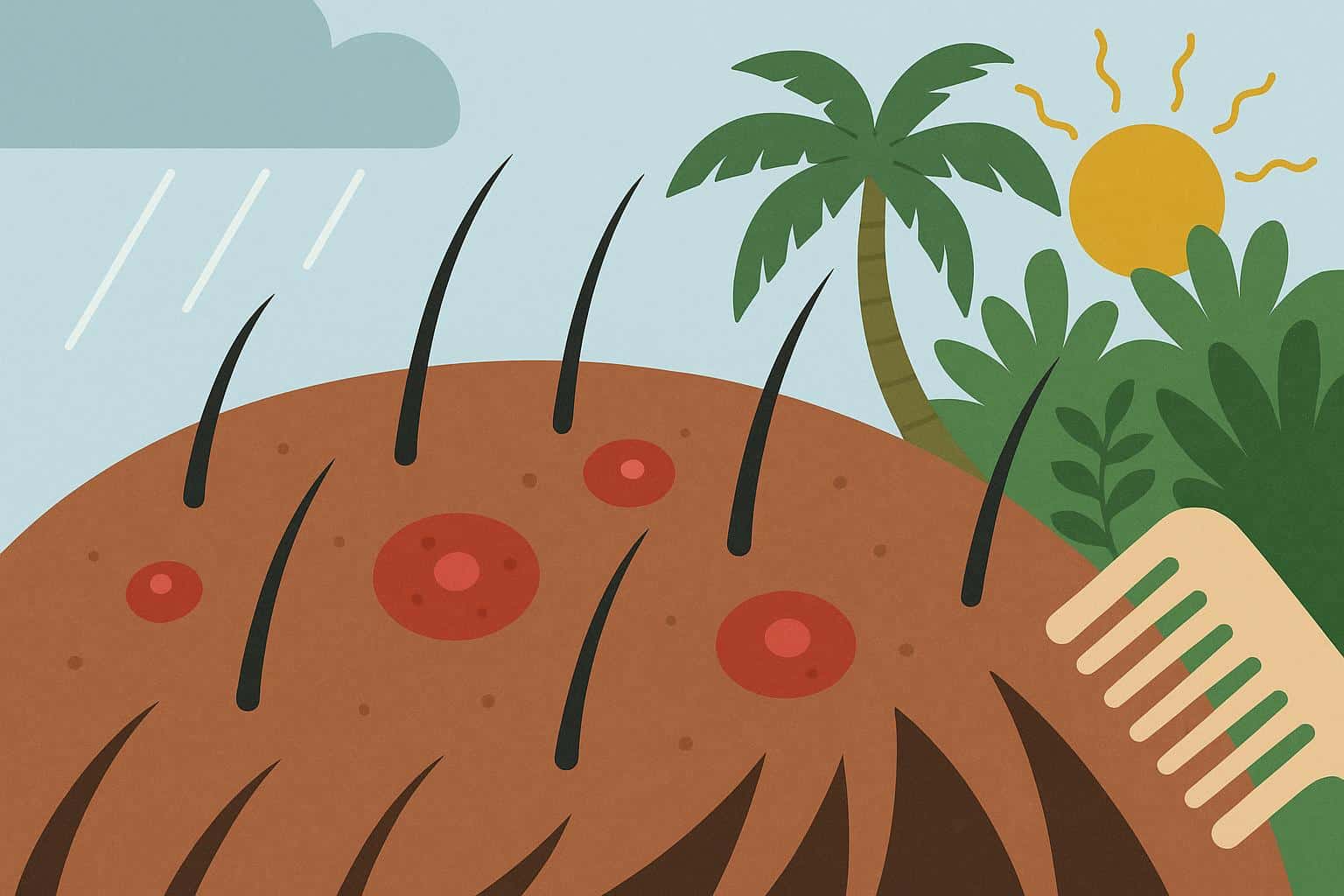
Scalp acne is more common than many realize, especially in humid climates like Singapore. Unlike facial acne, scalp acne often goes unnoticed until it becomes inflamed, itchy, or painful. Pustules, papules, or bumps can appear on the scalp, sometimes leading to discomfort or even hair thinning if irritated repeatedly.
For those dealing with persistent scalp breakouts, early intervention is key. Professional care, such as a best acne treatment Singapore, can help manage inflammation, prevent infection, and minimize the risk of scarring or chronic scalp irritation.
In this guide, we’ll explore why scalp acne develops, the factors that make humid climates worse, and practical strategies to prevent and manage breakouts.
Understanding Scalp Acne
Scalp acne occurs when hair follicles become clogged with sebum, dead skin cells, or hair product residue. Bacteria, particularly Cutibacterium acnes, can then trigger inflammation. Common causes include:
- Excess oil production: Humidity increases sebum secretion, which can clog follicles.
- Hair care products: Heavy oils, waxes, and certain conditioners can trap dirt and oil.
- Sweat and friction: Exercise, hats, or tight hairstyles can exacerbate breakouts.
- Hormonal fluctuations: Androgen surges can increase scalp oiliness, similar to facial acne.
Because scalp acne develops under hair, it can be harder to spot and treat early, making professional guidance particularly helpful.
Why Humidity Makes Scalp Acne Worse
High humidity creates a perfect environment for bacteria to thrive. Sweat and trapped oil increase follicular inflammation, while prolonged moisture can soften skin and make follicles more prone to blockage. This combination often leads to:
- Increased frequency of pustules and papules
- Itchiness and irritation
- Higher likelihood of post-inflammatory pigmentation if scratched
Managing scalp acne in humid climates requires strategies that control oil, reduce bacterial growth, and minimize friction.
Daily Scalp Care Tips
1. Gentle, Regular Cleansing
Shampooing regularly with a mild, non-comedogenic cleanser helps remove excess oil, sweat, and product residue without irritating the scalp.
2. Avoid Heavy Products
Minimize the use of hair oils, waxes, or heavy conditioners that can clog follicles. Opt for lightweight, water-based products.
3. Keep Hair Dry and Ventilated
After sweating or showering, ensure the scalp dries completely. Avoid tight hairstyles or hats for prolonged periods.
4. Anti-inflammatory Treatments
Topical treatments recommended by a dermatologist can reduce inflammation, redness, and bacterial overgrowth.
5. Avoid Picking or Scratching
Scratching can worsen inflammation, spread bacteria, and lead to scarring or pigment changes.
Professional Treatments for Scalp Acne
If scalp acne persists or worsens, professional interventions can be particularly effective:
- Topical or oral antibiotics: Reduce bacterial growth and inflammation.
- Medicated shampoos: Contain anti-inflammatory or antibacterial agents to prevent follicle blockage.
- Laser therapy or light-based treatments: Reduce inflammation, calm redness, and support follicle health.
Early consultation with a professional can prevent chronic flare-ups and minimize long-term damage.
Lifestyle Adjustments to Reduce Scalp Acne
- Manage Sweat: Shower promptly after exercise or sweating heavily.
- Wear Breathable Hats: Choose lightweight, ventilated materials to reduce heat and moisture buildup.
- Maintain a Balanced Diet: Reduce sugar and processed foods that can exacerbate inflammation.
- Change Bedding Regularly: Oils and sweat trapped in pillowcases can worsen scalp acne.
Expected Improvement Timeline
With consistent home care and professional guidance:
- 1–2 weeks: Reduced itchiness, inflammation, and pustules.
- 3–4 weeks: Fewer breakouts, clearer scalp, and improved hair comfort.
- 6–8 weeks: Long-term reduction in recurrence with minimized risk of scarring.
Consistency and preventive measures are essential for long-lasting results.
When to See a Professional
Consult a dermatologist if:
- Scalp acne persists despite proper home care
- Lesions are painful, widespread, or frequently recurring
- Post-inflammatory pigmentation or scarring begins
- Over-the-counter shampoos or treatments fail
A professional can provide tailored treatments, identify underlying triggers, and design a prevention plan that suits humid climates.
Key Takeaways
- Scalp acne is common in humid climates due to excess oil, sweat, and bacterial growth.
- Early intervention prevents worsening inflammation, infection, and potential scarring.
- Daily care, including gentle cleansing and lightweight hair products, supports healing.
- Professional care, such as the best acne treatment Singapore, is highly effective for persistent or severe cases.
Conclusion
Scalp acne doesn’t have to be a long-term problem, even in humid climates. With proper care, preventive strategies, and professional guidance, you can manage breakouts effectively while protecting your scalp health.
Early consultation and targeted treatment help reduce lesions, calm inflammation, and prevent scarring. Take action promptly — a healthy, comfortable scalp is achievable, even in Singapore’s humid weather.

Angela Spearman is a journalist at EzineMark who enjoys writing about the latest trending technology and business news.
